
Peppers vary widely in heat, flavor, shape, and cooking use. Some are crisp and sweet, while others are smoky, fruity, earthy, or intensely hot.
Use this guide to compare common types of peppers by Scoville heat level, flavor, appearance, and best kitchen use. Bell peppers are the best choice when you want sweetness with no heat. Poblanos and Anaheim peppers are better for roasting and stuffing. Jalapeños and serranos bring everyday salsa heat, while chipotle, ancho, and guajillo chiles add deeper dried-chile flavor.
For very hot recipes, habaneros, Scotch bonnets, datil peppers, and related chiles should be used carefully. Their fruity flavor is valuable in hot sauce, marinades, and jerk-style seasoning, but a small amount can change the heat level of an entire dish.

Quick Answer: What Are the Main Types of Peppers?
The main types of peppers are sweet peppers, mild chile peppers, medium-hot peppers, hot peppers, and very hot peppers. Sweet peppers, like bell peppers and pimentos, have little to no heat. Mild chile peppers, like poblanos, Anaheim peppers, shishitos, and padrón peppers, add flavor without overwhelming spice. Jalapeños, Fresnos, serranos, chipotles, and dried chiles bring more noticeable heat. Habaneros, Scotch bonnets, and other very hot peppers are much stronger and should be used carefully.
⬇️ Table of Contents
- Quick Answer: What Are the Main Types of Peppers?
- Pepper Heat Chart
- How to Choose the Right Pepper
- Sweet and Mild Peppers
- Mild to Medium Chile Peppers
- Medium-Hot Peppers
- Hot Peppers
- Very Hot Peppers
- Fresh Peppers vs Dried Chiles
- Best Peppers by Cooking Use
- Sources and Pepper Heat Notes
- Frequently Asked Questions
Pepper Heat Chart
Peppers are commonly compared using Scoville Heat Units, or SHU. The lower the number, the milder the pepper. The higher the number, the hotter the pepper. New Mexico State University's guide to measuring chile pepper heat explains that pepper heat comes from capsaicinoids and can vary by genetics and growing conditions.
| Heat level | Common peppers | Flavor | Best uses |
|---|---|---|---|
| Sweet / mild | Bell pepper, pimento, banana pepper, pepperoncini | Sweet, crisp, tangy, mild | Salads, stuffing, roasting, pickling, sandwiches |
| Mild to medium | Poblano, Anaheim, Hatch chile, shishito, padrón | Earthy, grassy, smoky, slightly sweet | Roasting, blistering, grilling, chile rellenos, salsa |
| Medium hot | Jalapeño, Fresno, serrano, chipotle, guajillo, puya, Aleppo, Hungarian wax | Bright, spicy, fruity, smoky, tangy | Salsa, poppers, adobo, chili, marinades, sauces, chile powders |
| Hot | Cayenne, Thai chile, chile de árbol, tabasco | Sharp, hot, direct, spicy | Hot sauce, chili oil, spice blends, soups, stir-fries |
| Very hot | Habanero, Scotch bonnet, datil, Fatalii | Fruity, floral, tropical, intense | Hot sauce, jerk seasoning, spicy marinades, small-batch sauces |
Chef note: I grouped these peppers by practical cooking heat level first, then alphabetized each section so readers can compare similar peppers quickly. Scoville ranges can vary by growing conditions, ripeness, and individual pepper variety, so use the ranges as a helpful guide rather than an exact guarantee.
How to Choose the Right Pepper
Choose a pepper based on what your recipe needs most. Bell peppers are best for sweetness, color, and crunch. Poblanos are better for roasting and stuffing. Jalapeños are the best everyday medium-heat pepper. Shishito and padrón peppers are ideal for blistering in a hot pan. Chipotle peppers add smoky flavor, while dried chiles like ancho, guajillo, and chile de árbol are best for sauces, chili, marinades, and spice blends. For more pepper-specific guides, browse the peppers and chiles category.
- Best no-heat pepper: bell pepper
- Best mild roasting pepper: poblano pepper
- Best everyday spicy pepper: jalapeño pepper
- Best pepper for blistering: shishito or padrón pepper
- Best smoky pepper: chipotle pepper
- Best dried chile for sauce: ancho or guajillo chile
- Best very hot pepper: habanero or Scotch bonnet
Note on ancho chile: Ancho is the dried form of a ripe poblano pepper, so it appears in the cooking-use recommendations for sauces, chili, and smoky dried-chile flavor instead of as a separate fresh pepper entry.
Sweet and Mild Peppers
Sweet and mild peppers are the best choice when you want color, crunch, sweetness, tang, or gentle pepper flavor without much heat. Most of these peppers range from 0 to 1,000 Scoville Heat Units, making them useful for salads, stuffing, roasting, pickling, sandwiches, sauces, and appetizer trays.
1. Banana Peppers

Origin: Banana peppers are a mild Capsicum annuum pepper widely grown in the United States and Europe. They are especially common as a pickled sandwich and pizza pepper.
Appearance and taste: Banana peppers are long, curved, yellow-green peppers that may ripen orange or red. They taste tangy, sweet, and lightly peppery.
Heat and uses: Banana peppers are mild, usually 0 to 500 Scoville Heat Units. Use them for pickling, salads, pizza, sandwiches, antipasto, relish, and stuffed pepper appetizers.
Point of interest: Most grocery-store banana peppers are pickled, so their tang often comes as much from vinegar brine as from the pepper itself. Best substitute: pepperoncini or mild Hungarian wax pepper.
2. Bell Peppers

Origin: Bell peppers are cultivated sweet peppers in the Capsicum annuum family, a species domesticated from peppers native to the Americas. Today they are grown worldwide and are one of the most common grocery-store peppers.
Appearance and taste: Bell peppers are large, blocky peppers with thick walls and a hollow center. Green bell peppers taste grassy and slightly sharp, while red, yellow, and orange bell peppers are sweeter because they are more mature.
Heat and uses: Bell peppers are sweet and mild, usually 0 Scoville Heat Units. Use them for salads, fajitas, stir-fries, stuffed peppers, roasting, grilling, pizza, sandwiches, and relish.
Point of interest: Bell peppers are one of the best peppers for stuffing because their thick walls hold shape during baking. Best substitute: Italian sweet peppers or pimento peppers when you want sweetness without heat.
3. Italian Sweet Peppers

Origin: Italian sweet peppers are associated with Italian and Mediterranean cooking, especially sauteed pepper dishes, antipasto, sandwiches, and sausage-and-pepper recipes.
Appearance and taste: They are long, tapered peppers that may be green, yellow, orange, or red. The flavor is soft, fruity, and sweet with little to no heat.
Heat and uses: Italian sweet peppers are mild, usually 0 to 100 Scoville Heat Units. Use them for sauteed peppers and onions, sausage and peppers, pasta, pizza, antipasto, and sandwiches.
Point of interest: Their thinner walls soften faster than bell peppers, which makes them especially good for skillet cooking. Best substitute: bell pepper, banana pepper, or cubanelle pepper.
4. Melrose Peppers

Origin: Melrose peppers are Italian-style frying peppers often associated with Italian-American home cooking, especially in the Chicago area.
Appearance and taste: They are small to medium peppers that ripen from green to red. The flavor is sweet, fruity, and mild, with tender flesh when cooked.
Heat and uses: Melrose peppers are mild, usually 0 to 100 Scoville Heat Units. Use them for frying, roasting, sauces, soups, stews, and Italian-style pepper dishes.
Point of interest: Melrose peppers are a good example of a regional pepper variety that matters more for cooking tradition than extreme heat. Best substitute: Italian sweet pepper or cubanelle pepper.
5. Pepperoncini Peppers

Origin: Pepperoncini are associated with Italian and Greek cooking and are most familiar in the United States as pickled salad, sandwich, and antipasto peppers.
Appearance and taste: Pepperoncini are small, wrinkled, pale green to yellow peppers. They are tangy, slightly sweet, and mild, especially when pickled.
Heat and uses: Pepperoncini are mild, usually 100 to 500 Scoville Heat Units. Use them for pickling, Greek salads, Italian sandwiches, pizza, antipasto, and slow-cooked meats.
Point of interest: Pepperoncini are excellent for adding acidity and mild pepper flavor without making a dish hot. Best substitute: banana pepper or mild cherry pepper.
6. Pimento Peppers

Origin: Pimento peppers are sweet red peppers commonly used in American Southern cooking, Spanish-style preserved peppers, and stuffed olives.
Appearance and taste: Pimentos are small, heart-shaped red peppers with thick flesh. They taste sweet, gentle, and lightly aromatic.
Heat and uses: Pimento peppers are mild, usually 100 to 500 Scoville Heat Units. Use them for pimento cheese, stuffed olives, spreads, dips, and roasted pepper dishes.
Point of interest: Pimentos are important less for heat and more for their sweet red pepper flavor and soft texture. Best substitute: roasted red bell pepper.
7. Piquillo Peppers

Origin: Piquillo peppers are strongly associated with northern Spain, especially Navarra, where they are traditionally roasted, peeled, and preserved.
Appearance and taste: Piquillo peppers are small, pointed red peppers often sold roasted in jars. They taste sweet, smoky, and rich.
Heat and uses: Piquillo peppers are mild, usually 500 to 1,000 Scoville Heat Units. Use them for tapas, stuffed peppers, sauces, stews, savory pies, and roasted pepper spreads.
Point of interest: Piquillo means "little beak," a nod to the pepper's pointed shape. Best substitute: roasted red pepper or pimento pepper.
8. Purple Beauty Peppers

Origin: Purple Beauty is a cultivated bell pepper variety developed for garden growing and fresh eating. It belongs to the same sweet pepper group as standard bell peppers.
Appearance and taste: Purple Beauty peppers have a blocky bell pepper shape with deep purple skin and a greenish interior. The flavor is mild, crisp, and slightly sweet, closer to a green bell pepper than a red one.
Heat and uses: Purple Beauty peppers are sweet and mild, usually 0 Scoville Heat Units. Use them fresh in salads, crudités, stuffed peppers, garden platters, and colorful garnishes.
Point of interest: The purple color is most useful raw; cooking can dull the color. Best substitute: green bell pepper or red bell pepper.
Mild to Medium Chile Peppers
Mild to medium chile peppers bring more chile flavor than sweet peppers while staying manageable for most recipes. These peppers are useful for roasting, stuffing, blistering, grilling, salsas, sauces, green chile dishes, and Southwestern cooking.
9. Alma Paprika Peppers

Origin: Alma paprika peppers are associated with Hungarian-style paprika production and home gardens where peppers are grown for drying and grinding.
Appearance and taste: They are small, round to slightly flattened peppers that ripen red. The flavor is sweet, smoky, and paprika-like.
Heat and uses: Alma paprika peppers are mild to medium, often around 2,000 to 3,000 Scoville Heat Units. Use them dried for paprika, or fresh in soups, stews, sauces, roasted pepper dishes, and Hungarian-style cooking.
Point of interest: They are useful for understanding that paprika starts as a real pepper, not just a spice jar ingredient. Best substitute: sweet paprika pepper or mild red chile.
10. Anaheim Peppers
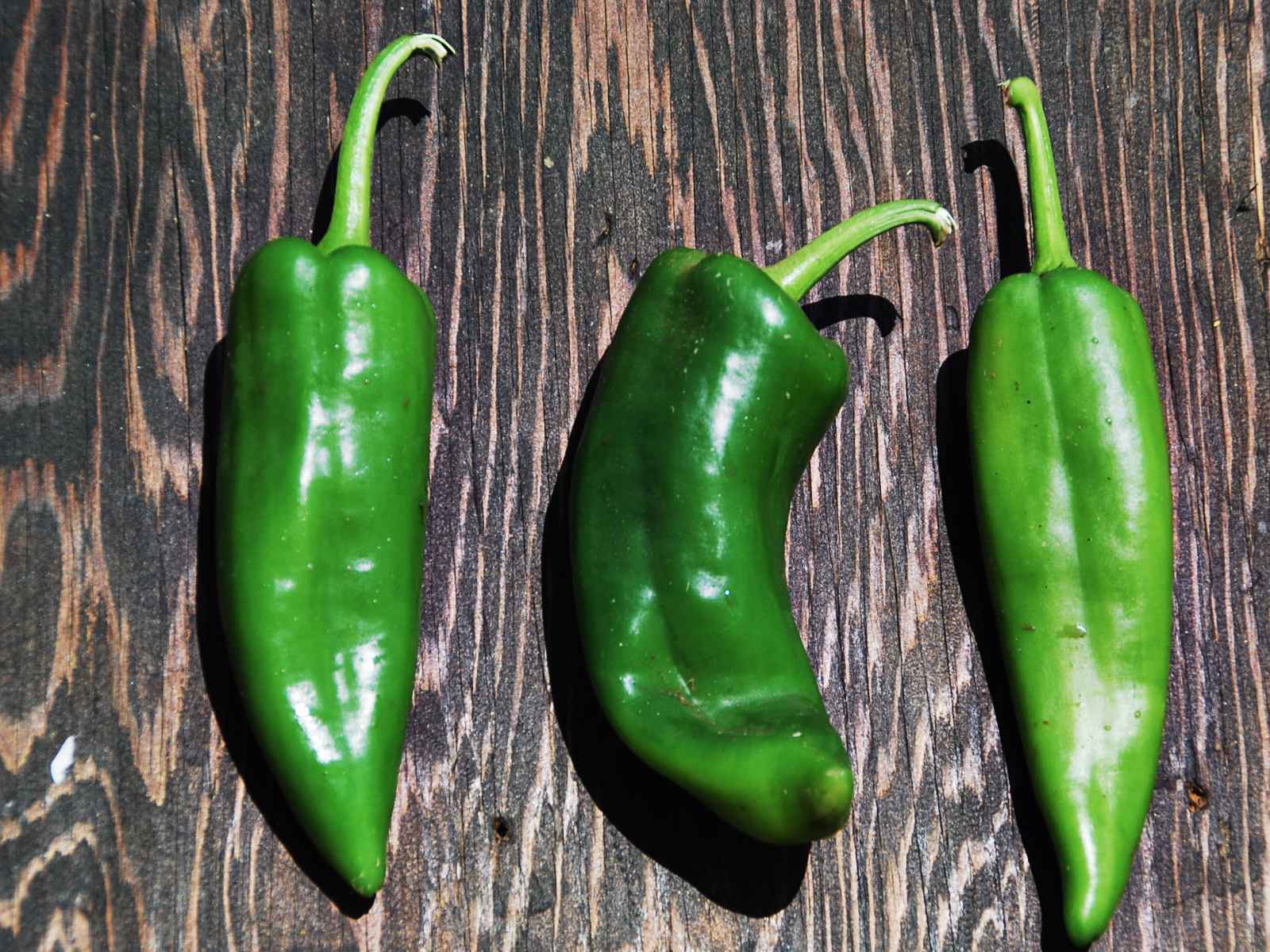
Origin: Anaheim peppers are New Mexico-type chiles that became associated with Anaheim, California after commercial cultivation there.
Appearance and taste: Anaheim peppers are long, narrow green chiles that may ripen red. They taste mild, slightly sweet, grassy, and chile-like.
Heat and uses: Anaheim peppers are mild to medium, usually 500 to 2,500 Scoville Heat Units. Use them for roasting, green chile sauces, enchiladas, soups, stews, salsa, and stuffed chile recipes.
Point of interest: Anaheim peppers are a good bridge pepper when poblanos feel too earthy and jalapeños feel too hot. Best substitute: Hatch chile, poblano pepper, or cubanelle pepper.
11. Cascabel Peppers

Origin: Cascabel chiles are Mexican dried chiles. The name means "little bell" or "rattle," referring to the loose seeds inside the dried chile.
Appearance and taste: Cascabel peppers are small, round dried chiles with loose seeds that rattle inside. They taste nutty, earthy, smoky, and lightly sweet.
Heat and uses: Cascabel peppers are mild to medium, usually 1,000 to 3,000 Scoville Heat Units. Use them for sauces, salsas, stews, spice blends, and Mexican chile pastes.
Point of interest: Cascabel is one of the easiest dried chiles to identify by sound because the seeds rattle inside. Best substitute: guajillo, ancho, or pasilla chile depending on the recipe.
12. Hatch Peppers

Origin: Hatch chiles come from the Hatch Valley region of New Mexico. The name refers to where they are grown, not just one single pepper variety.
Appearance and taste: Hatch chiles are long green chiles that may ripen red. When roasted, they taste smoky, earthy, vegetal, and rich.
Heat and uses: Heat varies by variety, often mild to medium, around 1,000 to 8,000 Scoville Heat Units. Use them for roasted green chile, enchiladas, queso, burgers, stews, salsa, and Southwestern recipes.
Point of interest: Roasting is the key technique because it loosens the skin and deepens the chile flavor. See our guide to types of Hatch chile.
13. Padrón Peppers
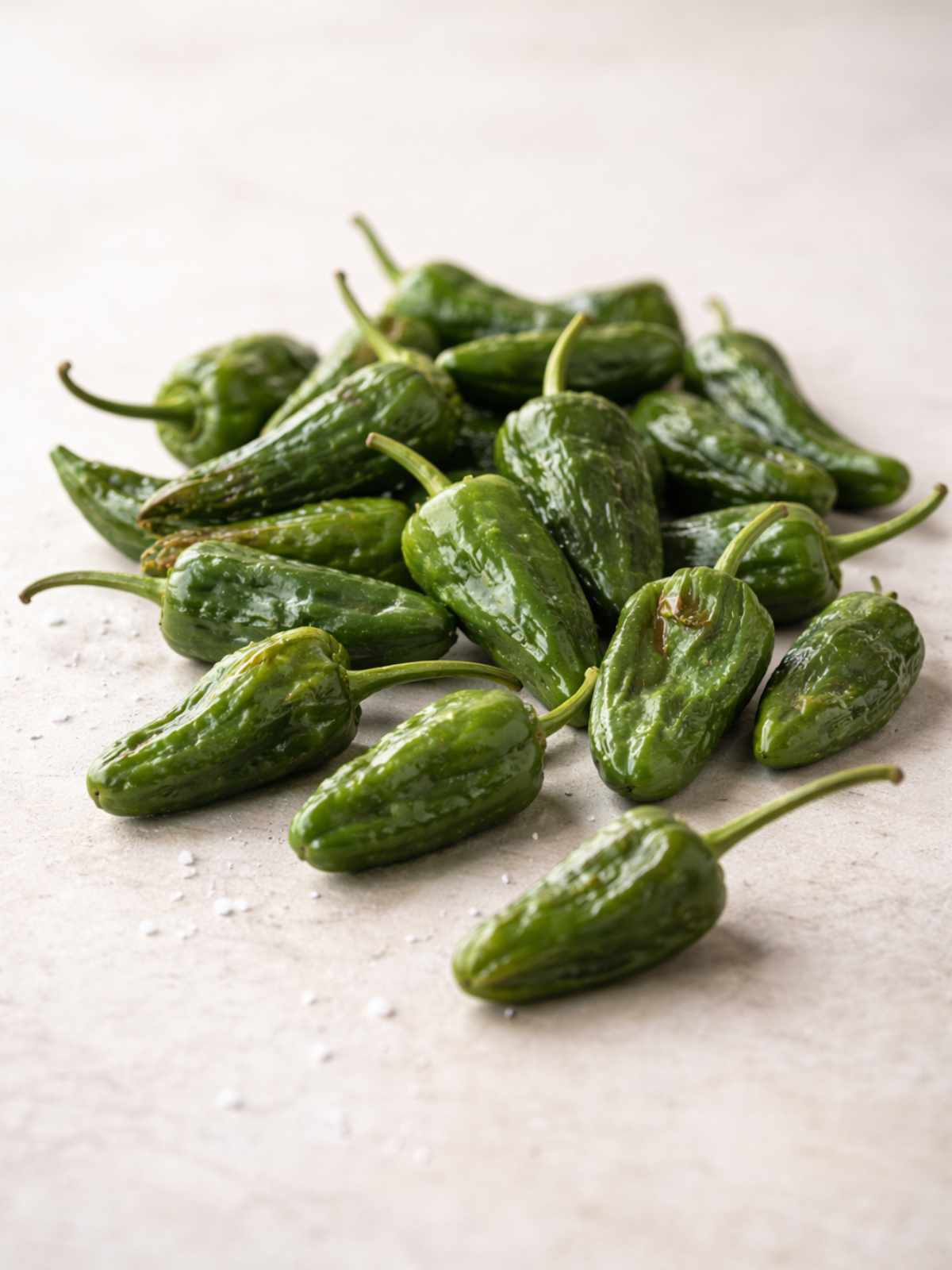
Origin: Padrón peppers are associated with Galicia in northwestern Spain, where they are often blistered in olive oil and served with salt.
Appearance and taste: Padrón peppers are small green peppers with thin skin and a slightly irregular shape. They taste earthy, grassy, lightly bitter, and excellent when blistered.
Heat and uses: They are usually mild, but some can surprise you with noticeable heat. Use them blistered in olive oil, sprinkled with flaky salt, and served as tapas or a simple appetizer.
Point of interest: The surprise heat is part of their appeal: most are mild, but a few can be spicy. Compare them in our guide to padrón peppers.
14. Poblano Peppers

Origin: Poblano peppers originated in Mexico and are closely associated with Puebla and classic Mexican dishes like chiles rellenos.
Appearance and taste: Poblanos are large, dark green, heart-shaped chile peppers that ripen to red. They taste earthy, rich, slightly smoky, and less sharp than jalapeños.
Heat and uses: Poblanos are mild to medium, usually 1,000 to 2,000 Scoville Heat Units. Use them for roasting, stuffing, chile rellenos, soups, sauces, enchiladas, and rajas.
Point of interest: When dried, a ripe poblano becomes an ancho chile, one of the most important dried chiles for Mexican sauces. Learn more in our full guide to poblano peppers.
15. Shishito Peppers

Origin: Shishito peppers are associated with Japanese cooking and are commonly served blistered as a simple appetizer or bar snack.
Appearance and taste: Shishitos are small, thin, wrinkled green peppers that may turn red when mature. They taste grassy, slightly sweet, and lightly smoky when blistered.
Heat and uses: Shishito peppers are usually mild, around 50 to 200 Scoville Heat Units, though an occasional pepper can be hotter. Blister them in a hot skillet, grill them, and finish with salt and citrus.
Point of interest: Their mild heat and thin skin make them one of the easiest peppers to cook whole. Learn more in our full guide to shishito peppers.
Medium-Hot Peppers
Medium-hot peppers are the most useful everyday peppers when you want noticeable heat without moving into extreme spice. This group includes fresh peppers like jalapeños, Fresnos, and serranos, plus dried or smoked chiles like chipotle, guajillo, and puya peppers. They are excellent for salsa, chili, poppers, marinades, adobo, hot sauce, pickling, and fresh toppings.
16. Aleppo Peppers

Origin: Aleppo pepper is associated with Syria and surrounding Middle Eastern cooking. It is usually sold dried and crushed rather than fresh.
Appearance and taste: Aleppo pepper is commonly sold as coarse red flakes. It tastes fruity, tangy, earthy, and warm with moderate heat.
Heat and uses: Aleppo pepper is medium-hot, often around 10,000 Scoville Heat Units. Use it for rubs, marinades, roasted vegetables, grilled meats, dips, eggs, soups, and Middle Eastern-style dishes.
Point of interest: Aleppo pepper is milder and fruitier than many crushed red pepper blends, so it works well as a finishing chile. Best substitute: crushed red pepper with a little paprika, or Maras pepper if available.
17. Chipotle Peppers

Origin: Chipotle peppers come from Mexico and are made by smoking ripe red jalapeños. They are a preserved chile, not a separate fresh pepper variety.
Appearance and taste: Chipotles are dried and smoked ripe jalapeños, usually dark brown to reddish-brown. They taste smoky, earthy, slightly sweet, and moderately spicy.
Heat and uses: Chipotles are medium-hot, usually similar to jalapeños at 2,500 to 8,000 Scoville Heat Units. Use them for adobo sauce, marinades, salsa, chili, soups, stews, aioli, barbecue sauce, and spice blends.
Point of interest: Chipotles add both heat and smoke, which is why a small amount can change the whole character of a sauce. See our guide to chipotle peppers.
18. Fresno Peppers

Origin: Fresno peppers were developed in California and are named after Fresno. They are common in fresh salsa, hot sauce, and produce sections where red fresh chiles are useful.
Appearance and taste: Fresno peppers are small, smooth, conical peppers that are green when young and red when ripe. Red Fresnos taste bright, fruity, fresh, and slightly sweeter than jalapeños.
Heat and uses: Fresno peppers are medium-hot, usually 2,500 to 10,000 Scoville Heat Units. Use them for fresh salsa, hot sauce, pickling, chili, garnishes, stir-fries, and marinades.
Point of interest: Fresno peppers are a good choice when you want a red fresh chile without jumping to habanero-level heat. Best substitute: jalapeño for similar heat, or serrano for more heat.
19. Guajillo Peppers

Origin: Guajillo chiles are Mexican dried chiles made from the mirasol pepper. They are one of the backbone chiles for Mexican sauces and adobos.
Appearance and taste: Guajillos are long, smooth, dark red dried chiles. They taste fruity, tangy, lightly smoky, and slightly sweet.
Heat and uses: Guajillo peppers are mild to medium, usually 2,500 to 5,000 Scoville Heat Units. Use them for enchilada sauce, adobo, birria, chili, marinades, salsa roja, and Mexican chile pastes.
Point of interest: Guajillo is often used with ancho and pasilla chiles to build layered dried-chile sauces. Best substitute: ancho chile for a milder fruitier flavor, or New Mexico chile for a similar sauce base.
20. Hungarian Wax Peppers

Origin: Hungarian wax peppers are associated with Hungarian and Central European cooking, especially pickling, stuffing, and pepper-based stews.
Appearance and taste: They are long, smooth, waxy peppers that are often pale yellow-green and ripen orange or red. The flavor is tangy, bright, slightly sweet, and sometimes sharply spicy.
Heat and uses: Hungarian wax peppers are mild to medium-hot, usually 1,000 to 15,000 Scoville Heat Units. Use them for pickling, stuffing, salads, soups, stews, and Hungarian-style dishes.
Point of interest: They can look mild but carry more heat than a banana pepper. Best substitute: banana pepper for a milder option, or jalapeño for more heat.
21. Jalapeño Peppers

Origin: Jalapeños originated in Mexico and are named for Xalapa, Veracruz. They are now one of the most widely used fresh chile peppers in Tex-Mex, Mexican, and American cooking.
Appearance and taste: Jalapeños are small, smooth, tapered peppers that are usually green but turn red when ripe. They taste fresh, grassy, bright, and moderately spicy.
Heat and uses: Jalapeños are medium-hot, usually 2,500 to 8,000 Scoville Heat Units. Use them for salsa, jalapeño poppers, pickling, chili, queso, cornbread, and Tex-Mex recipes.
Point of interest: A smoked ripe jalapeño becomes a chipotle pepper. Learn more in our full guide to jalapeño peppers and our conversion guide for how many jalapeños are in a pound.
22. Puya Peppers

Origin: Puya chiles are Mexican dried chiles closely related in style to guajillo, but usually smaller and hotter.
Appearance and taste: Puya peppers are small, thin dried red chiles. They look similar to guajillo peppers but tend to be smaller, sharper, and hotter.
Heat and uses: Puya peppers are medium-hot, usually 5,000 to 8,000 Scoville Heat Units. Use them for salsas, sauces, stews, soups, marinades, and chile powders.
Point of interest: Puya is useful when guajillo gives the right fruitiness but not enough heat. Best substitute: guajillo chile with a pinch of chile de árbol for added heat.
23. Serrano Peppers

Origin: Serrano peppers originated in Mexico and are named for mountainous regions where they have been grown.
Appearance and taste: Serranos are small, narrow, smooth peppers that are commonly green but can ripen red, orange, or yellow. They taste fresh, sharp, grassy, and hotter than jalapeños.
Heat and uses: Serranos are medium-hot, usually 10,000 to 22,000 Scoville Heat Units. Use them for fresh salsa, pico de gallo, hot sauce, guacamole, marinades, and spicy garnishes.
Point of interest: Serranos are excellent raw because their thin walls and clean heat blend easily into salsa. Best substitute: jalapeño for less heat, or Fresno pepper for similar fresh flavor.
Hot Peppers
Hot peppers bring stronger heat and should be used with more care than medium-hot peppers. These peppers are best for hot sauce, chili oil, chile powders, spicy marinades, soups, stir-fries, vinegar pepper sauce, and dishes where heat is part of the main flavor.
24. Aji Amarillo Peppers

Origin: Aji amarillo is strongly associated with Peruvian cooking, where it is used fresh, frozen, dried, and as a paste.
Appearance and taste: Aji amarillo peppers are long orange-yellow peppers. They taste fruity, bright, slightly sweet, and floral.
Heat and uses: Aji amarillo peppers are hot, usually 30,000 to 50,000 Scoville Heat Units. Use them for Peruvian sauces, ceviche, aji de gallina, huancaína sauce, marinades, and stews.
Point of interest: Aji amarillo paste is often easier to find than fresh peppers and is usually the most practical form for cooking outside Peru. Best substitute: habanero for fruitiness and heat, used carefully, or aji amarillo paste when available.
25. Black Cobra Peppers

Origin: Black cobra peppers are specialty hot peppers often grown for both ornamental value and spicy cooking.
Appearance and taste: They are slender peppers that grow upright and can shift from green to black to red as they mature. The flavor is peppery, earthy, and sometimes slightly bitter.
Heat and uses: Black cobra peppers are hot, often around 20,000 to 40,000 Scoville Heat Units. Use them for hot sauces, salsas, chile powders, and ornamental pepper gardens.
Point of interest: The upright growth and color change make them easy to spot on the plant. Best substitute: cayenne, chile de árbol, or Thai chile.
26. Black Prince Peppers

Origin: Black Prince is generally grown as a specialty or ornamental-style pepper variety. It is useful in gardens because of its dark coloring as well as its heat.
Appearance and taste: Black Prince peppers have dark purple to black coloring that can ripen red. They taste peppery, sharp, and moderately hot.
Heat and uses: Black Prince peppers are hot, often listed around 5,000 to 30,000 Scoville Heat Units. Use them for salsas, sauces, marinades, chile powder, and ornamental garden growing.
Point of interest: Their color is the main reason cooks and gardeners notice them; use the ripe red stage when you want fuller pepper flavor. Best substitute: cayenne or serrano pepper, depending on the heat needed.
27. Cayenne Peppers

Origin: Cayenne peppers are named for Cayenne in French Guiana and are now grown widely for fresh peppers, dried pods, and ground cayenne powder.
Appearance and taste: Cayennes are long, thin red peppers that are often dried and ground into powder. They taste sharp, direct, earthy, and spicy.
Heat and uses: Cayenne peppers are hot, commonly 30,000 to 50,000 Scoville Heat Units, though ranges vary by variety. Use them for cayenne powder, hot sauce, spice blends, chili, soups, stews, and dry rubs.
Point of interest: Cayenne is one of the most familiar forms of dried chile heat in American kitchens. Best substitute: chile de árbol, Thai chile, or crushed red pepper flakes.
28. Charleston Hot Pepper

Origin: Charleston Hot is associated with Southern-style pepper growing and cooking, especially dishes that benefit from hot pepper sauce or fresh chile heat.
Appearance and taste: Charleston Hot peppers are long, tapered peppers that ripen from yellow-green to orange or red. They taste sharp, spicy, and pepper-forward.
Heat and uses: Charleston Hot peppers are hot, often around 70,000 to 100,000 Scoville Heat Units. Use them for hot sauce, salsa, chili, gumbo, soups, stews, and Southern-style pepper sauces.
Point of interest: They bring a cayenne-like cooking role with a fresh pepper shape that is easy to slice into sauces. Best substitute: cayenne or Thai chile.
29. Chile de Árbol Peppers

Origin: Chile de árbol is a Mexican chile commonly used dried in salsas, chile oils, and table sauces.
Appearance and taste: Chile de árbol peppers are thin, bright red chiles that are commonly dried whole. They taste sharp, smoky, nutty, and cleanly spicy.
Heat and uses: Chile de árbol peppers are hot, usually 15,000 to 30,000 Scoville Heat Units. Use them for salsa roja, chile oil, hot sauce, crushed chile flakes, soups, and spicy marinades.
Point of interest: They hold their red color well when dried, which makes them useful for bright red sauces. See our full guide to chile de árbol peppers.
30. Malagueta Peppers

Origin: Malagueta peppers are associated with Brazilian and Portuguese-influenced cooking, including fiery sauces and seafood dishes.
Appearance and taste: Malagueta peppers are small green to red peppers used fresh, dried, or in sauces. They taste fiery, sharp, and slightly fruity.
Heat and uses: Malagueta peppers are hot, usually 50,000 to 100,000 Scoville Heat Units. Use them for Brazilian sauces, piri-piri-style condiments, seafood, chicken, stews, and marinades.
Point of interest: They are small but intense, so they are often used to build sauce heat rather than bulk vegetable flavor. Best substitute: Thai chile or piri-piri pepper.
31. Pequin Peppers

Origin: Pequin peppers are small hot chiles associated with Mexico and the American Southwest. They are often used dried or in sauces.
Appearance and taste: Pequin peppers are tiny oval or round peppers that ripen red and are often dried. They taste smoky, nutty, citrusy, and sharp.
Heat and uses: Pequin peppers are hot, usually 40,000 to 60,000 Scoville Heat Units. Use them for hot sauce, salsa, pickling, chile powders, vinegar sauces, and Mexican condiments.
Point of interest: Their tiny size hides a strong punch, so they are easy to overuse. Best substitute: chile de árbol or crushed red pepper flakes.
32. Tabasco Peppers

Origin: Tabasco peppers are associated with the Gulf Coast and with vinegar-based pepper sauces. They are best known through Tabasco-style hot sauce.
Appearance and taste: Tabasco peppers are small, thin peppers that ripen from green to orange to red. They taste juicy, sharp, bright, and peppery.
Heat and uses: Tabasco peppers are hot, usually 30,000 to 50,000 Scoville Heat Units. Use them for hot sauce, vinegar pepper sauce, marinades, soups, stews, and spicy condiments.
Point of interest: Their juicy flesh works especially well in fermented and vinegar-based hot sauces. Best substitute: cayenne pepper or Thai chile.
33. Thai Peppers

Origin: Thai peppers refer to several small hot chiles used throughout Thai and Southeast Asian cooking.
Appearance and taste: Thai peppers are small, thin peppers that may be green or red. They taste sharp, bright, intense, and cleanly spicy.
Heat and uses: Thai peppers are hot, usually 50,000 to 100,000 Scoville Heat Units. Use them for Thai curries, stir-fries, soups, chili oil, sriracha-style sauces, and spicy dipping sauces.
Point of interest: Because they are small and hot, Thai peppers are often pounded into pastes rather than chopped like larger peppers. Best substitute: serrano for less heat, or cayenne for a similar sharp bite.
34. Tien Tsin Peppers

Origin: Tien Tsin peppers are associated with Chinese cooking, especially dried chile dishes such as Kung Pao-style stir-fries.
Appearance and taste: Tien Tsin peppers are small, thin dried red chiles. They taste sharp, dry, spicy, and slightly earthy.
Heat and uses: Tien Tsin peppers are hot, usually 50,000 to 75,000 Scoville Heat Units. Use them for Kung Pao chicken, stir-fries, chile oil, dry-fried dishes, and spicy sauces.
Point of interest: In many stir-fries, the dried chiles season the oil and are not always meant to be eaten whole. Best substitute: Thai chile, chile de árbol, or dried cayenne.
Very Hot Peppers
Very hot peppers bring intense heat with fruity, floral, and tropical flavor. These peppers can quickly overpower a dish, so use them carefully in small amounts for hot sauce, jerk seasoning, spicy marinades, pepper vinegar, chile powders, and bold pepper blends. Wear gloves when handling very hot peppers, avoid touching your eyes, and add them gradually.
35. Aji Chombo Peppers

Origin: Aji chombo peppers are associated with Panamanian cooking and Latin American hot sauces.
Appearance and taste: They are small, lantern-like peppers often associated with habanero-style heat. They taste fruity, sharp, and tropical with strong heat.
Heat and uses: Aji chombo peppers are very hot, commonly in the habanero-style range. Use them for hot sauce, seafood dishes, stews, marinades, and Latin American condiments.
Point of interest: Aji chombo is especially useful in vinegar-based hot sauces where fruitiness and sharp heat both matter. Best substitute: habanero or Scotch bonnet pepper.
36. Caribbean Goat Peppers

Origin: Caribbean goat peppers are associated with Caribbean cooking and hot sauce traditions.
Appearance and taste: They are small, wrinkled peppers that may ripen yellow, orange, or red. They taste sweet, tropical, fruity, and fiery.
Heat and uses: Caribbean goat peppers are very hot, usually 100,000 to 350,000 Scoville Heat Units. Use them for jerk seasoning, hot sauce, Caribbean stews, marinades, and spicy condiments.
Point of interest: They work best in recipes that can handle both fruitiness and serious heat. Best substitute: Scotch bonnet or habanero pepper.
37. Caribbean Red Habanero Peppers

Origin: Caribbean red habaneros are habanero-type peppers associated with Caribbean-style hot sauces, pepper vinegar, and fiery marinades.
Appearance and taste: They are small red habanero-type peppers with wrinkled skin and a lantern-like shape. They taste fruity, floral, tropical, and intensely hot.
Heat and uses: Caribbean red habaneros are very hot, often around 300,000 to 475,000 Scoville Heat Units. Use them for hot sauce, jerk marinades, pepper vinegar, fruit salsas, and spicy glazes.
Point of interest: Their red color helps create a deeper-looking hot sauce than orange habaneros. Best substitute: habanero, Scotch bonnet, or Caribbean goat pepper.
38. Datil Peppers

Origin: Datil peppers are strongly associated with St. Augustine, Florida, where they are used in regional hot sauces and seafood-friendly condiments.
Appearance and taste: Datils are small, wrinkled, lantern-shaped peppers that ripen yellow-orange. They taste fruity, sweet, tropical, and intense.
Heat and uses: Datil peppers are very hot, usually 100,000 to 300,000 Scoville Heat Units. Use them for hot sauce, salsa, seafood sauces, stews, chili, and spicy condiments.
Point of interest: Datil pepper sauce often pairs heat with sweetness, which makes it work especially well with seafood and grilled foods. Best substitute: habanero pepper or Scotch bonnet pepper.
39. Devil's Tongue Peppers

Origin: Devil's Tongue is a specialty very-hot pepper variety often grown by chile enthusiasts for its heat and bright fruitiness.
Appearance and taste: Devil's Tongue peppers are long, wrinkled, tapered peppers that can ripen yellow, orange, or red. They taste fruity, floral, citrusy, and very spicy.
Heat and uses: Devil's Tongue peppers are very hot, often listed around 125,000 to 325,000 Scoville Heat Units. Use them for hot sauce, spicy salsas, chile powders, and small-batch pepper blends.
Point of interest: This pepper is best for cooks who want habanero-style fruitiness with a sharper, more unusual profile. Best substitute: habanero or Fatalii pepper.
40. Fatalii Peppers

Origin: Fatalii peppers are associated with African chile varieties and are popular among hot pepper growers for their citrusy flavor and strong heat.
Appearance and taste: Fatalii peppers are long, wrinkled peppers that often ripen yellow. They taste citrus-forward, fruity, bright, and searingly hot.
Heat and uses: Fatalii peppers are very hot, often listed around 125,000 to 400,000 Scoville Heat Units. Use them for citrus hot sauce, spicy marinades, chile powders, and small amounts in fruit-based sauces.
Point of interest: Fatalii is a strong choice when you want lemony brightness along with serious heat. Best substitute: habanero or Devil's Tongue pepper.
41. Habanero Peppers

Origin: Habanero peppers are associated with the Yucatán Peninsula and Caribbean cooking. They are one of the most recognizable very-hot peppers in grocery stores.
Appearance and taste: Habaneros are small lantern-shaped peppers that are often orange but may be red, yellow, green, or brown depending on the variety. They taste fruity, floral, tropical, and intensely spicy.
Heat and uses: Habanero peppers are very hot, usually 100,000 to 350,000 Scoville Heat Units. Use them for hot sauce, salsa, jerk-style marinades, mango sauces, spicy glazes, and chile powders.
Point of interest: Habaneros are hot enough to dominate a dish, but their fruitiness makes them excellent with mango, citrus, vinegar, and grilled meats. Learn more in our full guide to habanero peppers.
42. Madame Jeanette Peppers

Origin: Madame Jeanette peppers are associated with Surinamese and Caribbean cooking, where they are valued for aroma as well as heat.
Appearance and taste: They are wrinkled yellow to orange peppers with an irregular lantern-like shape. They taste fruity, aromatic, tropical, and intense.
Heat and uses: Madame Jeanette peppers are very hot, usually 100,000 to 350,000 Scoville Heat Units. Use them for Caribbean and Surinamese dishes, hot sauces, stews, curries, and spicy condiments.
Point of interest: Their aroma is a major part of their value; use sparingly so the floral fruitiness is not lost behind pure heat. Best substitute: Scotch bonnet or habanero pepper.
43. Red Savina Habanero Peppers

Origin: Red Savina is a selectively bred habanero cultivar developed for high heat and red color.
Appearance and taste: Red Savina peppers are red habanero-type peppers with wrinkled skin and a lantern-like shape. They taste fruity, floral, and intensely spicy.
Heat and uses: Red Savina habaneros are very hot, commonly listed in the 350,000 to 577,000 Scoville Heat Unit range. Use them for hot sauce, spicy salsas, chile powders, and very small amounts in marinades.
Point of interest: Red Savina was once famous as a record-setting hot pepper before newer super-hot peppers surpassed it. Best substitute: regular habanero for less heat, or Scotch bonnet for similar fruity character.
44. Scotch Bonnet Peppers

Origin: Scotch bonnet peppers are strongly associated with Caribbean cooking, especially Jamaican jerk seasoning and pepper sauces.
Appearance and taste: Scotch bonnets are small, squat peppers shaped somewhat like a bonnet or tam o' shanter hat. They taste fruity, sweet, tropical, floral, and fiery.
Heat and uses: Scotch bonnets are very hot, usually 100,000 to 350,000 Scoville Heat Units. Use them for jerk chicken, Caribbean stews, hot sauce, marinades, pepper vinegar, and spicy relishes.
Point of interest: Scotch bonnet and habanero heat can feel similar, but Scotch bonnets are prized for their sweet tropical flavor in Caribbean dishes. Best substitute: habanero pepper or Caribbean goat pepper.
Fresh Peppers vs Dried Chiles
Fresh peppers are usually brighter, crisper, and more vegetal, while dried chiles are deeper, smokier, fruitier, and more concentrated. Use fresh peppers when you want crunch, color, or fresh heat. Use dried chiles when you want sauce body, smoky flavor, deep red color, or long-cooked chile flavor.
| Type | Flavor | Best uses |
|---|---|---|
| Fresh peppers | Bright, crisp, grassy, juicy | Salads, salsa, stuffing, roasting, grilling, pickling |
| Dried chiles | Smoky, earthy, fruity, concentrated | Adobo, chili, mole, enchilada sauce, marinades, spice blends |
Best Peppers by Cooking Use
| Cooking use | Best peppers |
|---|---|
| Stuffing | Bell peppers, poblanos, Anaheim peppers |
| Salsa | Jalapeños, serranos, Fresnos, tomatillo-friendly green chiles; start with garden fresh salsa when you want a tomato-based pepper salsa |
| Blistering | Shishito peppers, padrón peppers |
| Pickling | Banana peppers, jalapeños, pepperoncini, Fresno peppers |
| Hot sauce | Cayenne, tabasco, habanero, Scotch bonnet, Thai chile |
| Smoky flavor | Chipotle, ancho chile (dried poblano), guajillo, chile de árbol |
| Chili and stews | Ancho chile (dried poblano), guajillo, poblano, Hatch, chipotle |
Sources and Pepper Heat Notes
Scoville Heat Unit ranges can vary from one source to another because pepper heat changes with variety, maturity, growing conditions, and how the peppers are tested. For this guide, the heat levels are organized as practical cooking ranges rather than exact lab guarantees. The Scoville explanation near the heat chart is supported by New Mexico State University's guide to measuring chile pepper heat, and the individual pepper notes are written for kitchen use, flavor comparison, and safe recipe planning.
Frequently Asked Questions
The most common types of peppers include bell peppers, jalapeños, poblanos, Anaheim peppers, banana peppers, pepperoncini, serranos, cayenne peppers, habaneros, and Scotch bonnet peppers.
Bell peppers, pimento peppers, Italian sweet peppers, and many banana peppers are mild or sweet peppers with little to no heat.
Bell peppers are best for large stuffed pepper recipes, while poblano peppers are best for chile rellenos and roasted stuffed pepper dishes.
Serrano peppers, cayenne peppers, Thai chiles, habaneros, Scotch bonnets, and many very hot peppers are hotter than jalapeños.
The main pepper heat levels are sweet or mild, mild to medium, medium-hot, hot, and very hot. Bell peppers are sweet with no heat, poblanos and Anaheim peppers are mild to medium, jalapeños and serranos are medium-hot, cayenne and Thai chiles are hot, and habaneros or Scotch bonnets are very hot.
In everyday cooking, pepper is a broad term that includes both sweet peppers and hot chile peppers. Chile usually refers to spicy peppers or dried peppers used in sauces, seasonings, and Mexican or Southwestern cooking.
Jalapeños, serranos, Fresno peppers, chile de árbol, guajillo chiles, and habaneros are all useful for salsa. Jalapeños are best for everyday salsa, serranos add more bite, and dried chiles add deeper color and flavor.
The easiest way to identify peppers is to compare shape, color, skin texture, size, heat level, and whether the pepper is fresh or dried. Bell peppers are large and blocky, poblanos are dark green and heart-shaped, jalapeños are small and smooth, shishitos are thin and wrinkled, and dried chiles like guajillo or chile de árbol are usually red, thin, and leathery.


David Marks says
Well done! Clear and nicely written with good, explanative photography, and super informative. Thank you!