
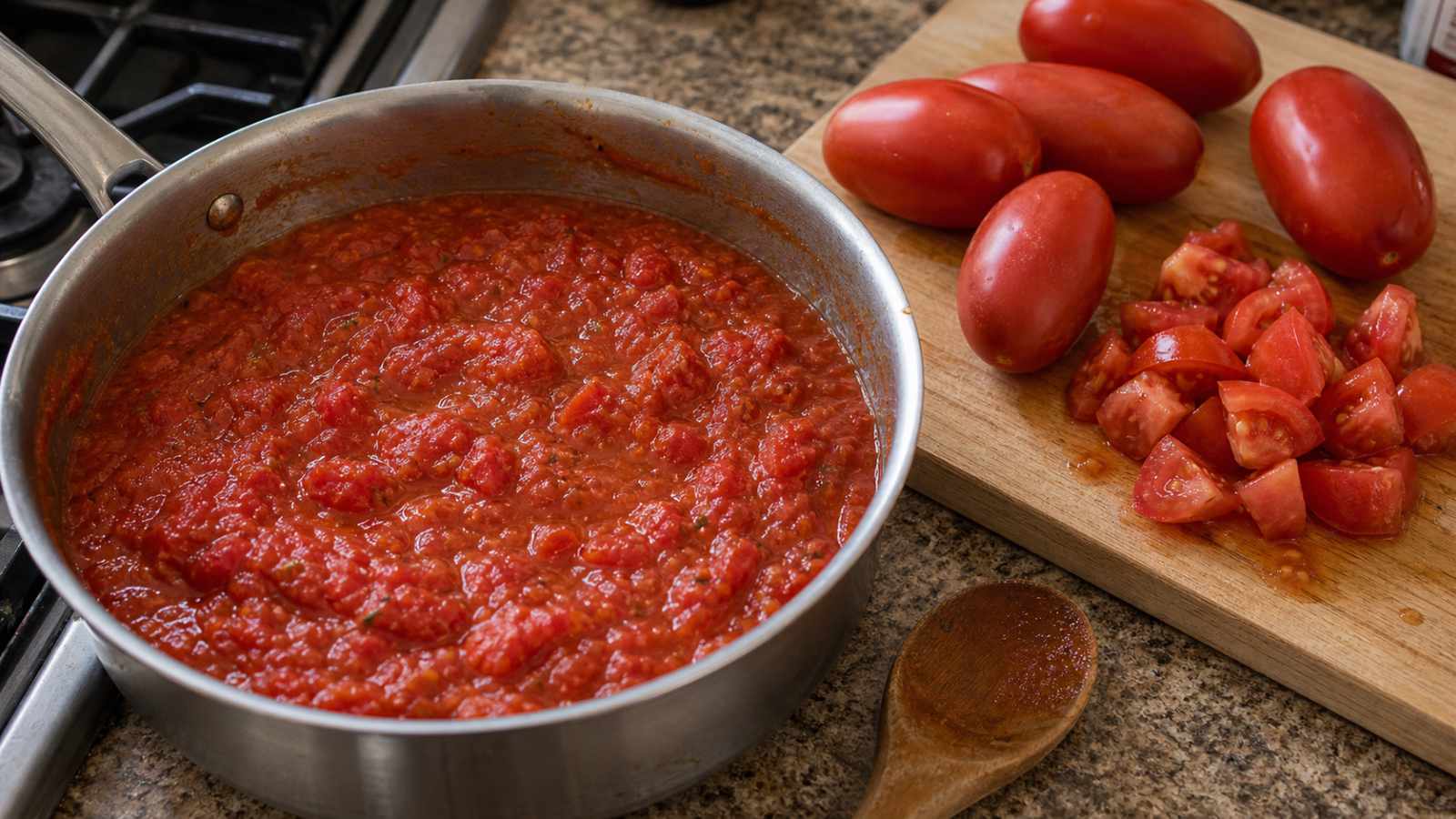
The best tomatoes for sauce are paste or plum tomatoes because they have dense flesh, fewer seeds, and less watery gel. Roma is the easiest everyday choice, San Marzano is best for classic marinara, and Amish Paste or Opalka are better when you want a thick sauce with less simmering.
Quick answer: Use Roma for everyday pasta sauce, San Marzano tomatoes for classic marinara, Amish Paste or Opalka for thick homemade sauce, Big Mama for larger batches, Costoluto Genovese for rustic heirloom flavor, and Heinz 1350 for a balanced fresh tomato sauce that can handle longer simmering.
⬇️ Table of Contents
- Best Tomatoes for Sauce: Quick Answer
- How To Choose Tomatoes for Sauce
- Why Plum and Paste Tomatoes Are Best for Sauce
- Best Tomatoes for Tomato Sauce
- Best Tomatoes for Pasta, Marinara, and Spaghetti Sauce
- Fresh vs Canned Tomatoes for Sauce
- How Many Tomatoes Do You Need for Sauce?
- How To Avoid Watery Tomato Sauce
- Should You Peel Tomatoes for Sauce?
- Final Tomato Pick
- FAQs
Best Tomatoes for Sauce: Quick Answer
If you are choosing tomatoes for sauce, start with the texture. A good sauce tomato should feel heavy for its size, smell fresh near the stem, and have firm flesh without soft, leaking spots. Paste and plum tomatoes are usually easiest because they cook down into a thicker sauce with less time on the stove.
You can still make excellent sauce with juicy round tomatoes or heirlooms when they are ripe and flavorful. They simply need a different approach: drain off excess liquid, use a wide pan, and simmer uncovered until the sauce has body.
| Tomato | Best Sauce | Texture | Watch For |
|---|---|---|---|
| Roma tomatoes | Everyday pasta sauce | Meaty and reliable | Can taste mild out of season |
| San Marzano tomatoes | Marinara and Italian-style sauce | Dense with balanced acidity | Check labels carefully when buying canned |
| Amish Paste | Thick homemade sauce | Large, meaty, and rich | Very ripe fruit may still need draining |
| Opalka | Thick cooked sauce | Long, dense, and low-seed | Best when fully ripe |
| Big Mama | Large-batch pasta sauce | Large plum-style tomato | May need more reduction than smaller paste tomatoes |
| Costoluto Genovese | Rustic tomato sauce | Juicy, ribbed, and flavorful | Needs longer uncovered simmering |
| Heinz 1350 | Fresh tomato sauce | Round, juicy, and balanced | Reduce well before final seasoning |
How To Choose Tomatoes for Sauce
For a thick sauce, choose paste tomatoes first. For brighter summer flavor, mix paste tomatoes with a few ripe round or heirloom tomatoes. The paste tomatoes give the sauce body, while the juicier tomatoes add fresh tomato flavor.
Chef note: Salt near the end after the sauce has reduced. If you salt watery tomatoes too early, the sauce can taste overly salty once the extra moisture cooks off.
- For thick sauce: choose Roma, Amish Paste, Opalka, or Big Mama.
- For classic marinara: choose San Marzano or Roma.
- For rustic summer sauce: use ripe heirlooms such as Costoluto Genovese and reduce them uncovered.
- For balanced fresh sauce: use Heinz 1350 or another ripe round tomato, then simmer until the sauce thickens.
Why Plum and Paste Tomatoes Are Best for Sauce
Plum and paste tomatoes are usually the best tomatoes for sauce because they have more pulp and less watery gel than large slicing tomatoes. That means they cook down faster and create a sauce that clings better to pasta.
A wide pan helps moisture evaporate faster than a tall, narrow pot. When the sauce is close, drag a spoon through the pan. If the sauce leaves a brief trail before flowing back together, it has started to develop good body.
Chef note: A watery tomato is not a bad tomato. Drain chopped tomatoes before cooking, simmer uncovered, and adjust the salt only after the sauce has reduced.
Best Tomatoes for Tomato Sauce
Roma Tomatoes
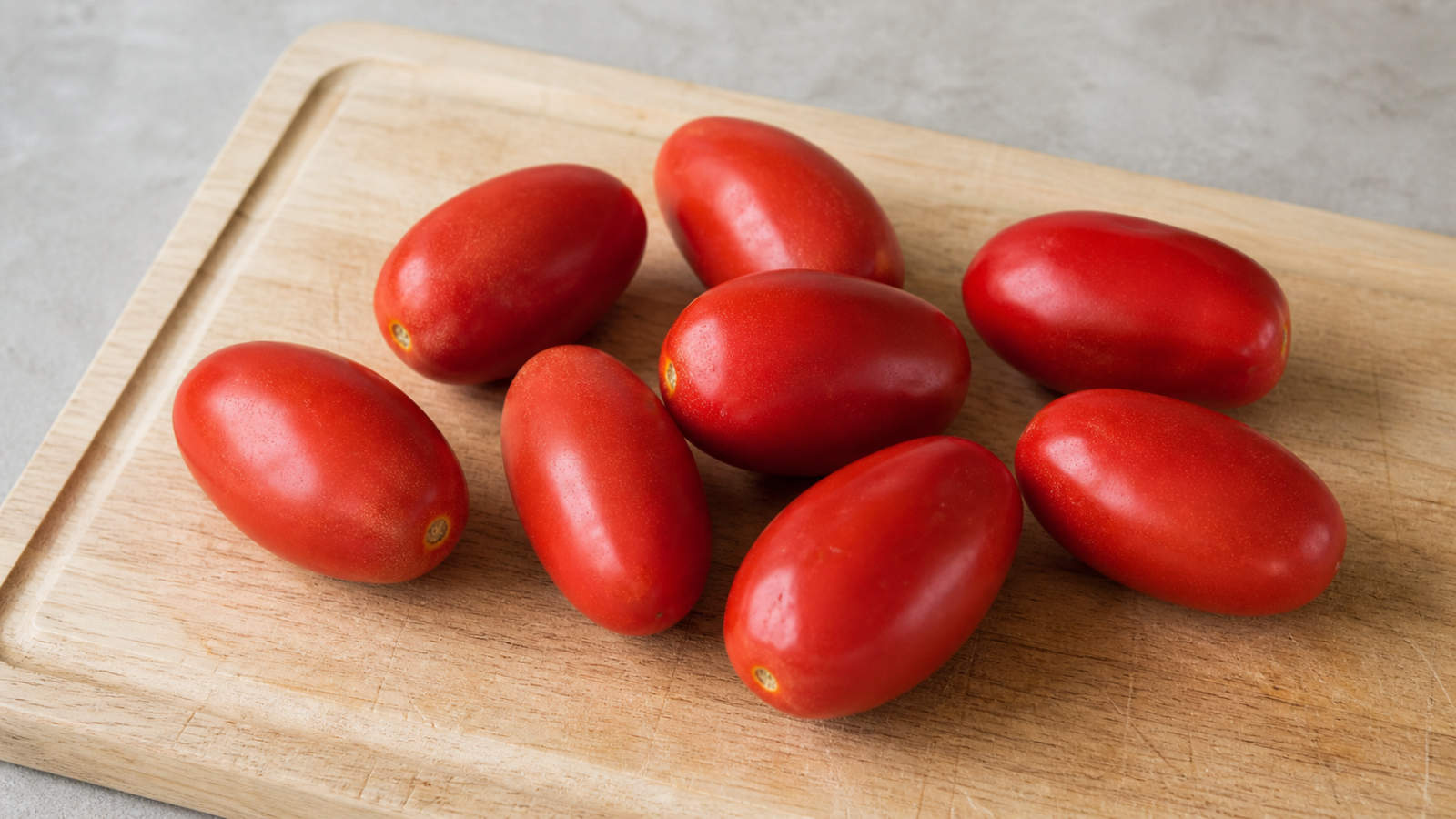
Type: Plum tomato
Flavor: Mild, rich, and reliable
Best for: Everyday pasta sauce, pizza sauce, spaghetti sauce, cooked salsa
Sauce note: The easiest all-around choice for most home cooks.
Roma tomatoes are one of the easiest tomatoes to use for sauce because they are widely available, affordable, and less watery than many slicing tomatoes. They are especially useful for everyday pasta sauce, spaghetti sauce, pizza sauce, and cooked salsa.
Core the tomatoes, remove excess seed gel if they are very juicy, then simmer with olive oil, garlic, onion, salt, and herbs until the sauce thickens. If fresh Roma tomatoes are hard or bland out of season, canned whole tomatoes may give you better flavor.
San Marzano Tomatoes
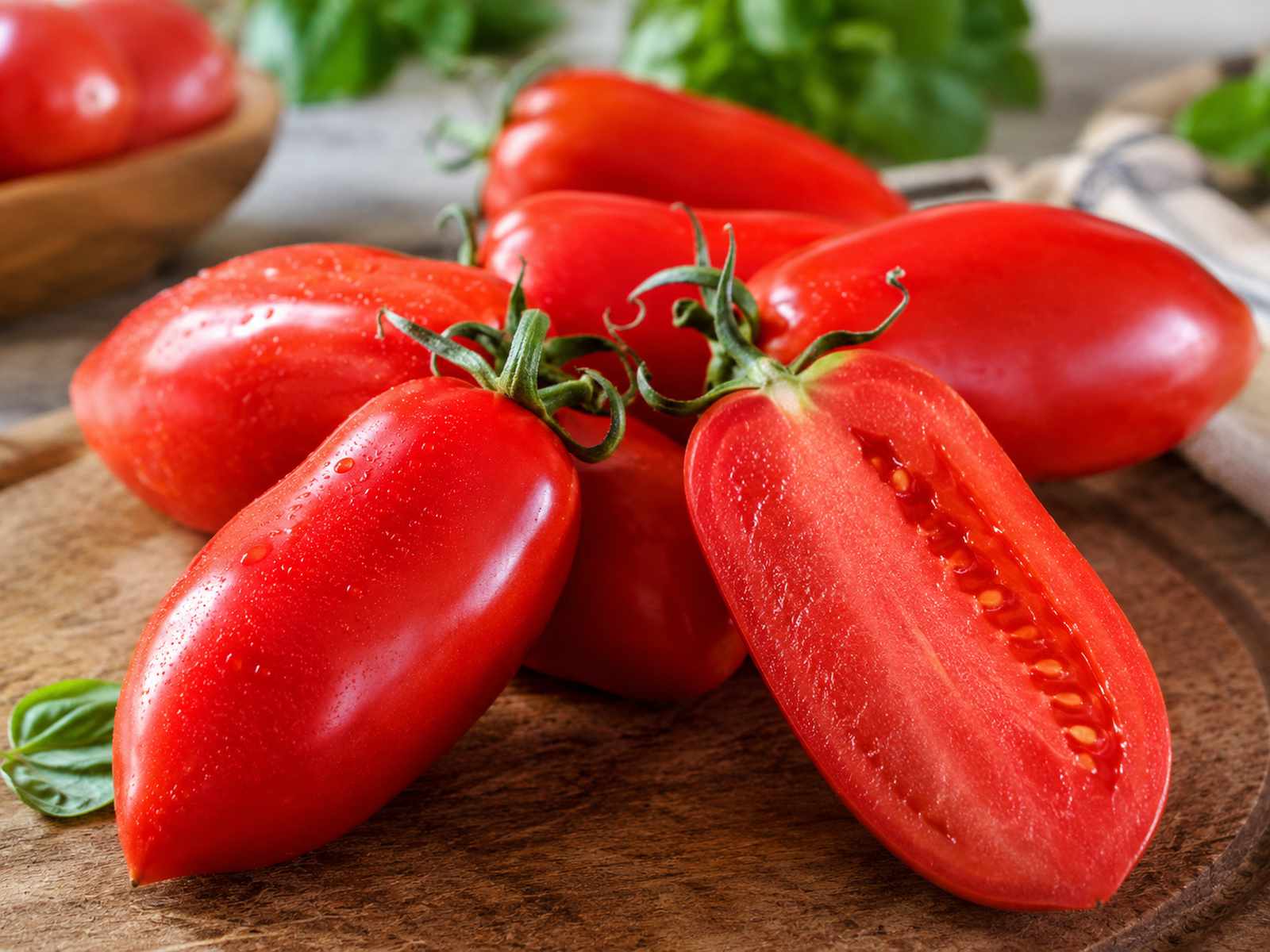
Type: Plum tomato
Flavor: Sweet-tart and balanced
Best for: Marinara, pasta sauce, pizza sauce
Sauce note: Best when tomato flavor is the main point of the sauce.
San Marzano tomatoes are prized for Italian-style tomato sauce because they have dense flesh, fewer seeds, and a balanced sweet-tart flavor. They work especially well in simple sauces with olive oil, garlic, basil, oregano, and salt.
Use San Marzano tomatoes when you want a clean marinara-style sauce instead of a heavily seasoned red sauce. If you are buying canned San Marzano tomatoes, read the label carefully so you know whether you are buying true San Marzano tomatoes or San Marzano-style tomatoes.
Amish Paste Tomatoes
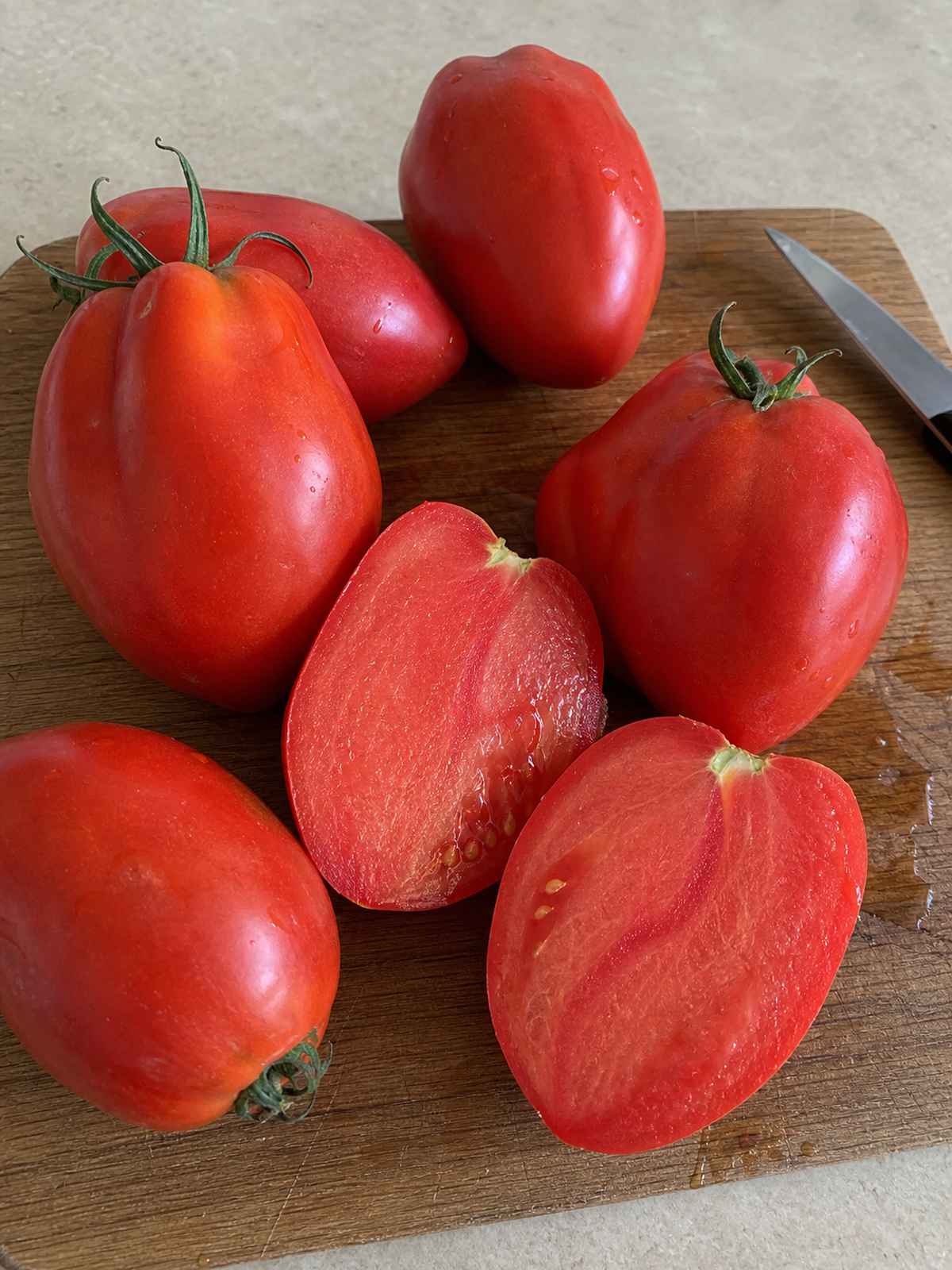
Type: Heirloom paste tomato
Flavor: Sweet, rich, and tomato-forward
Best for: Thick tomato sauce, marinara, purees, cooked salsa
Sauce note: Good when you want body without relying heavily on tomato paste.
Amish Paste tomatoes are large paste tomatoes with thick flesh and rich tomato flavor. They are useful for homemade sauce because they give you more pulp per tomato than many smaller paste varieties.
Use Amish Paste when you want a sauce with body. They work well for a rustic hand-crushed sauce, but you can also simmer them until soft and pass the sauce through a food mill for a smoother texture.
Opalka Tomatoes

Type: Heirloom paste tomato
Flavor: Rich and sweet
Best for: Thick pasta sauce, tomato puree, hearty cooked sauce
Sauce note: One of the better choices when you want a thick sauce without adding much tomato paste.
Opalka tomatoes are long heirloom paste tomatoes known for dense flesh and low seed content. That makes them easy to process, especially if you prefer a smoother sauce or tomato puree.
Use Opalka when you want fresh tomato sauce with more body than a standard weeknight sauce. Let the fruit ripen fully before cooking; underripe paste tomatoes can taste flat once reduced.
Big Mama Tomatoes

Type: Large plum-style tomato
Flavor: Balanced sweet and tangy
Best for: Marinara, pasta sauce, large-batch sauce
Sauce note: A good choice when you want more flesh per tomato and less prep work.
Big Mama tomatoes are large plum-style tomatoes that work well for sauce because you can prep fewer tomatoes for a bigger batch. They are helpful for marinara, pasta sauce, and cooked tomato bases.
Because the tomatoes are larger, check the cut surface before cooking. If there is a lot of watery gel, scoop or drain some of it before simmering so the sauce thickens faster.
Costoluto Genovese Tomatoes
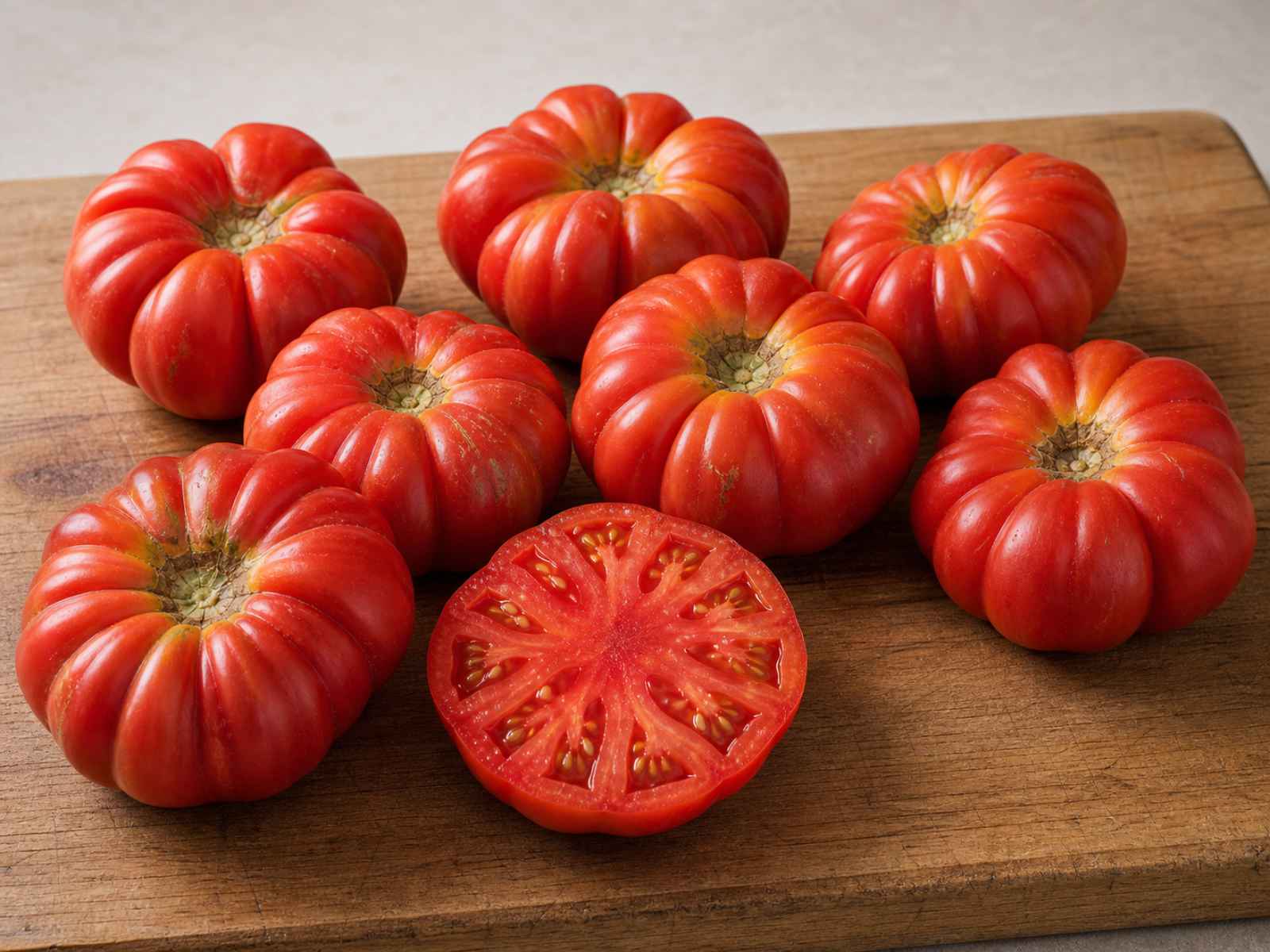
Type: Ribbed heirloom tomato
Flavor: Bold, fruity, and mildly tart
Best for: Rustic sauce, fresh summer sauce, chunky tomato sauce
Sauce note: Expect more liquid than paste tomatoes; reduce uncovered for better body.
Costoluto Genovese tomatoes bring bold tomato flavor to sauce, especially when they are ripe and in season. Unlike paste and plum tomatoes, they are juicy and deeply ribbed, so they release more liquid during cooking.
Use them for chunky sauces, lightly blended summer sauces, or any sauce where fresh heirloom flavor matters more than a short cooking time. They are also a good tomato to mix with Roma or Amish Paste when you want both flavor and thickness.
Heinz 1350 Tomatoes
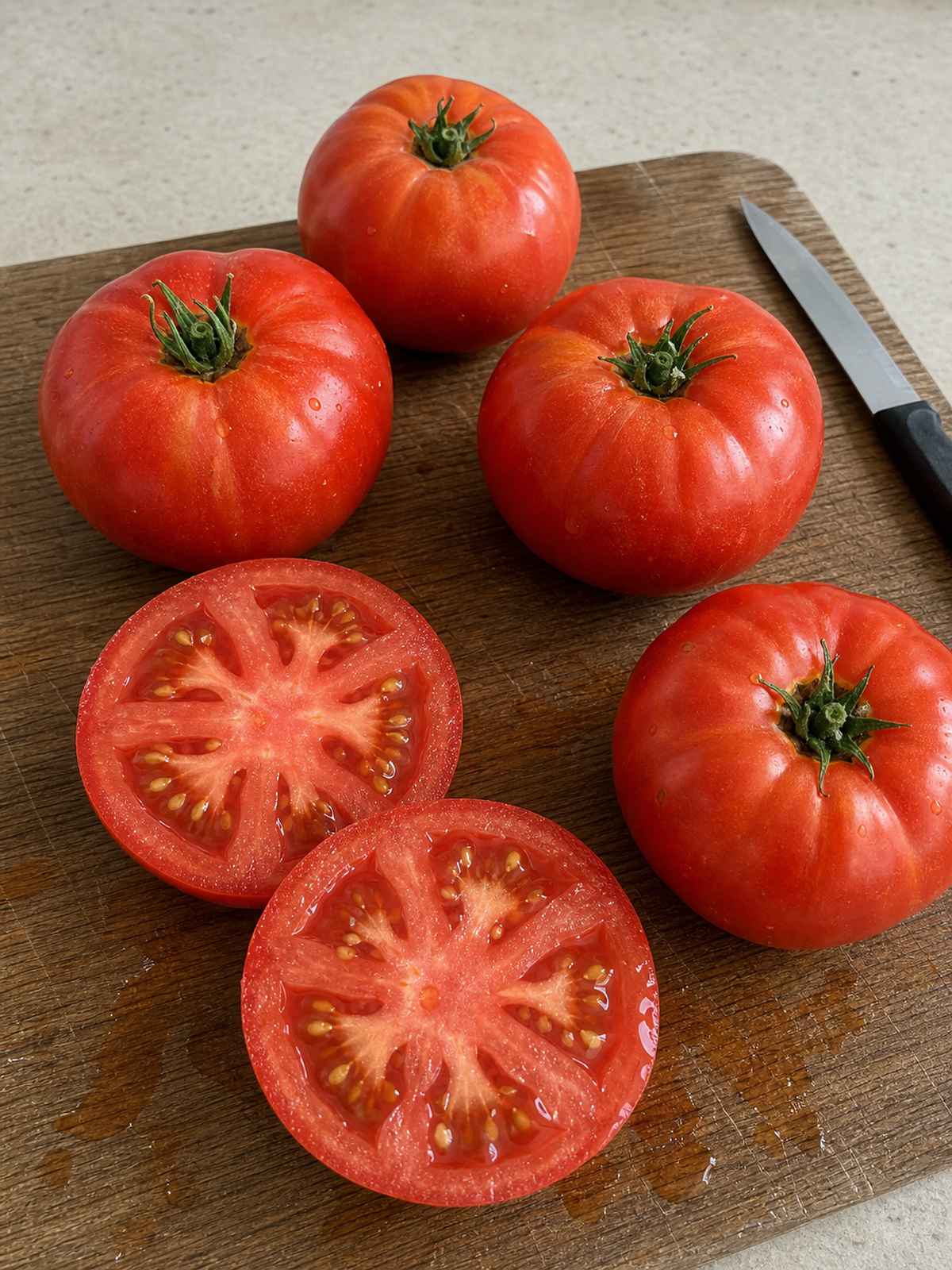
Type: Processing-style tomato
Flavor: Balanced tomato flavor
Best for: Fresh tomato sauce, cooked sauce, canning-style sauce
Sauce note: Juicier than paste tomatoes, so simmer uncovered until the sauce thickens.
Heinz 1350 tomatoes are round, red tomatoes with a balanced flavor that works well in cooked sauces. They are useful when you want classic tomato flavor and do not mind giving the sauce extra time to reduce.
Because Heinz 1350 tomatoes are juicier than paste tomatoes, simmer them uncovered and season after the sauce thickens. If you plan to can tomato sauce, follow a tested tomato sauce canning recipe rather than using a general cooking guide as a preservation method.
Best Tomatoes for Pasta, Marinara, and Spaghetti Sauce
The best tomato depends on the sauce you are making. A quick marinara needs clean tomato flavor and moderate acidity. A thicker spaghetti sauce needs more body. A fresh summer pasta sauce can use juicier tomatoes if they are ripe, fragrant, and cooked uncovered.
| Sauce Type | Best Tomatoes | Best Approach |
|---|---|---|
| Marinara sauce | San Marzano, Roma | Keep it simple with olive oil, garlic, basil, and salt |
| Pasta sauce | Roma, Amish Paste, Opalka, Big Mama | Simmer until thick enough to coat pasta |
| Spaghetti sauce | Roma, San Marzano, Amish Paste, Big Mama | Cook longer for a richer texture |
| Pizza sauce | San Marzano, Roma, Opalka | Use less water and cook down until concentrated |
| Fresh summer tomato sauce | Costoluto Genovese, Heinz 1350 | Drain extra liquid and season simply |
If you are making sauce from scratch, this homemade tomato sauce recipe is the natural next step after choosing the right tomato.
Fresh vs Canned Tomatoes for Sauce
Fresh tomatoes make the best sauce when they are ripe, fragrant, and in season. They give sauce a brighter flavor and are especially good for summer pasta sauces, chunky tomato sauce, and rustic marinara.
Canned tomatoes are often more consistent outside tomato season. They are usually packed when ripe, which makes them useful for winter sauces, weeknight pasta, and recipes where you need predictable flavor.
If you are using canned tomatoes, choose whole peeled tomatoes when you want the most control over texture. Crushed tomatoes are convenient, but they can vary from brand to brand. For more help choosing and using canned tomatoes, see these canned tomato tips.
How Many Tomatoes Do You Need for Sauce?
The amount depends on the tomato variety and how thick you want the sauce. Paste tomatoes have less water, so they usually give you more finished sauce per pound than juicy slicing tomatoes.
As a practical starting point, plan on about 2 to 3 pounds of fresh tomatoes for a small batch of sauce. For larger batches, weigh the tomatoes before cooking so the sauce is easier to repeat. This tomato measurement guide can help with pounds, cups, and recipe conversions.
If you are using juicy tomatoes, expect more volume loss as the sauce reduces. If you are using paste tomatoes, the sauce will usually thicken faster and need less cooking time.
How To Avoid Watery Tomato Sauce
Watery sauce usually comes from using juicy tomatoes, adding salt too early, or simmering in a pot that is too narrow. The fix is simple: remove excess seed gel, cook uncovered, and give the water enough surface area to evaporate.
- Use paste or plum tomatoes when you want a naturally thicker sauce.
- Drain chopped juicy tomatoes before adding them to the pan.
- Simmer uncovered so steam can escape.
- Use a wide pan instead of a narrow pot when you need faster reduction.
- Season gradually and adjust salt near the end.
For a smooth sauce, blend after simmering or pass the sauce through a food mill. For a rustic sauce, crush the tomatoes by hand or with a spoon and leave some texture in the pan.
Should You Peel Tomatoes for Sauce?
Peeling tomatoes is optional, but it gives sauce a smoother texture. Tomato skins can separate during cooking, especially with larger heirloom tomatoes. If you want a silky sauce, peel the tomatoes before simmering or pass the finished sauce through a food mill.
If you like a rustic sauce, leave the skins on and blend lightly after cooking. This works best when the tomatoes have thin skins and the sauce is not meant to be perfectly smooth.
Final Tomato Pick
| Best Choice | Pick |
|---|---|
| Best overall tomato for sauce | Roma |
| Best classic marinara tomato | San Marzano |
| Best thick sauce tomato | Amish Paste or Opalka |
| Best large-batch sauce tomato | Big Mama |
| Best rustic summer sauce tomato | Costoluto Genovese |
| Best fresh round tomato for sauce | Heinz 1350 |
For most home cooks, Roma tomatoes are the best all-around tomatoes for sauce because they are easy to find, affordable, and reliable. Choose San Marzano when you want a classic marinara-style sauce, and choose Amish Paste or Opalka when thickness matters most.
If you want stronger heirloom flavor and do not mind extra simmering time, use Costoluto Genovese. If you want a balanced round tomato for fresh sauce, Heinz 1350 is a good option as long as you simmer uncovered to reduce extra juice.
FAQs
Paste tomatoes usually make the thickest sauce. Amish Paste, Opalka, Roma, and Big Mama are good choices because they have more pulp and less watery gel than many slicing tomatoes.
Yes, mixing tomatoes can make a better sauce. Use paste tomatoes for body and add ripe round or heirloom tomatoes for brighter flavor. If the mix is juicy, simmer uncovered until the sauce thickens.
You do not have to remove every seed, but removing excess seed gel can help prevent watery sauce. This matters most with juicy round tomatoes and large heirlooms.
Fresh tomatoes are best when they are ripe, fragrant, and in season. Canned tomatoes are often better outside tomato season because they are more consistent and usually packed when ripe.
Tomato sauce turns watery when the tomatoes have a lot of juice or when the sauce has not reduced long enough. Use plum or paste tomatoes, drain very juicy tomatoes, and simmer uncovered until the sauce thickens.



Leave a Reply