
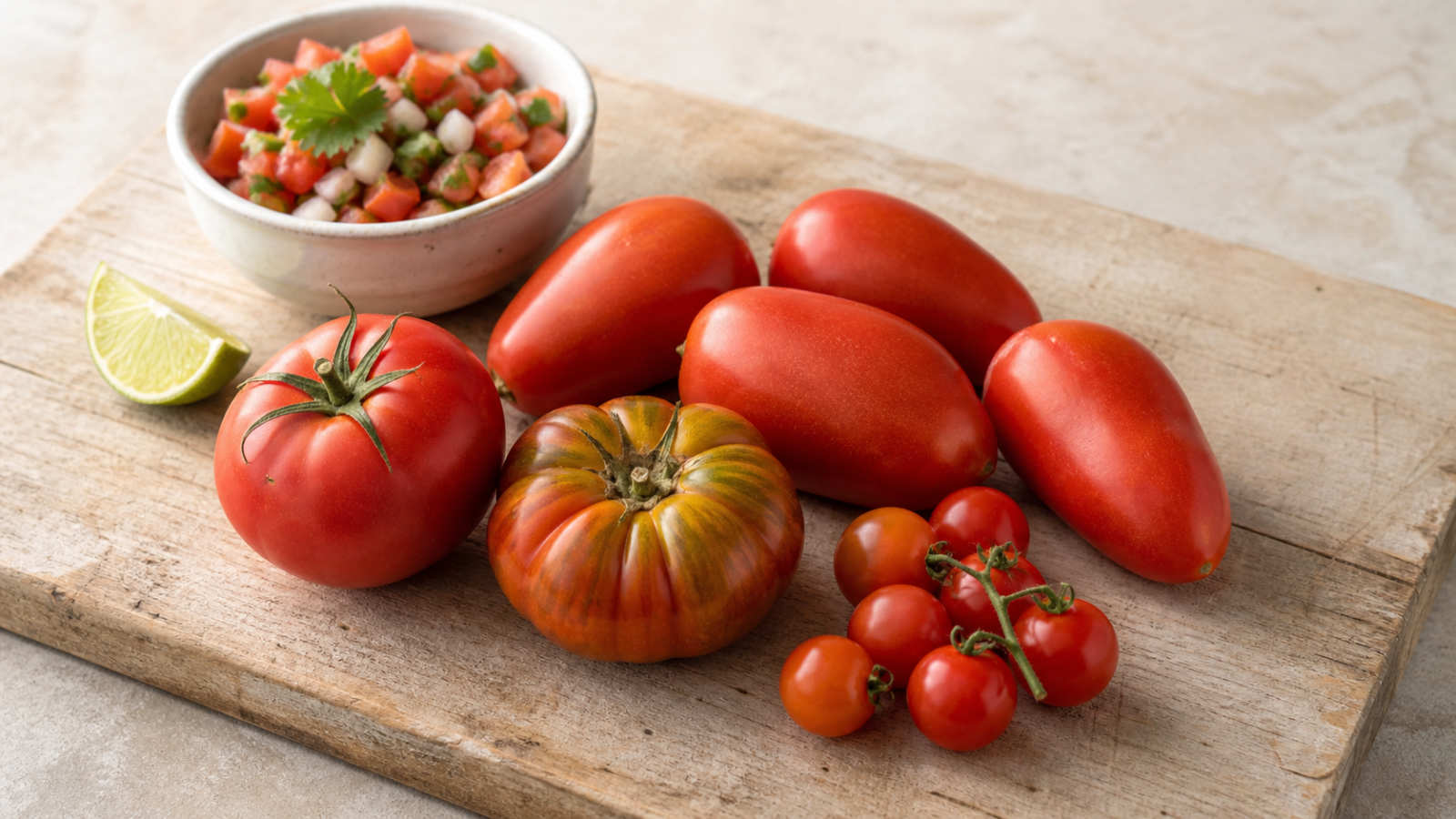
The best tomatoes for salsa are Roma tomatoes and other plum tomatoes because they are meaty, lower in moisture, easy to dice, and less likely to make salsa watery. For pico de gallo and chunky fresh salsa, Roma tomatoes are the most dependable choice. For roasted salsa, plum tomatoes, cherry tomatoes, and ripe beefsteak tomatoes can also work well.
The right tomato depends on the salsa style. Use firm, meaty tomatoes when you want a clean dice, sweeter tomatoes for bright summer salsa, and richly flavored tomatoes when roasting or blending. If you are comparing broader tomato options, start with this guide to types of tomatoes.
⬇️ Table of Contents
Best Tomatoes for Salsa: Quick Answer
| Tomato Type | Best For | Why It Works |
|---|---|---|
| Roma tomatoes | Pico de gallo, fresh salsa, chunky salsa | Meaty texture, fewer seeds, less watery flesh |
| Plum tomatoes | Fresh salsa, cooked salsa, roasted salsa | Firm flesh and good tomato flavor |
| Cherry tomatoes | Sweet fresh salsa or roasted salsa | Bright flavor, natural sweetness, quick roasting |
| Beefsteak tomatoes | Fresh summer salsa | Large, juicy tomatoes with bold flavor when fully ripe |
| Heirloom tomatoes | Fresh salsa with deeper tomato flavor | Complex flavor and color, best when drained before mixing |
If you only want one dependable choice, use Roma tomatoes. They dice cleanly, hold their shape, and do not release as much liquid as larger slicing tomatoes.
How To Choose Tomatoes for Salsa
Choose tomatoes that are ripe but still firm. Very soft tomatoes break down quickly and release extra juice, especially after salt is added. For chunky salsa, remove excess seeds and gel, dice the tomatoes evenly, and let watery tomatoes drain for a few minutes before mixing.
For fresh salsa, texture matters as much as flavor. Roma and plum tomatoes usually give the cleanest dice. Cherry tomatoes add sweetness but should be halved or quartered. Beefsteak and heirloom tomatoes can taste excellent, but they often need draining so the salsa does not turn soupy.
If you are scaling a recipe, this tomato measurement guide can help with how many tomatoes are in a pound.
What Are the Best Tomatoes for Salsa?
1. Roma Tomatoes
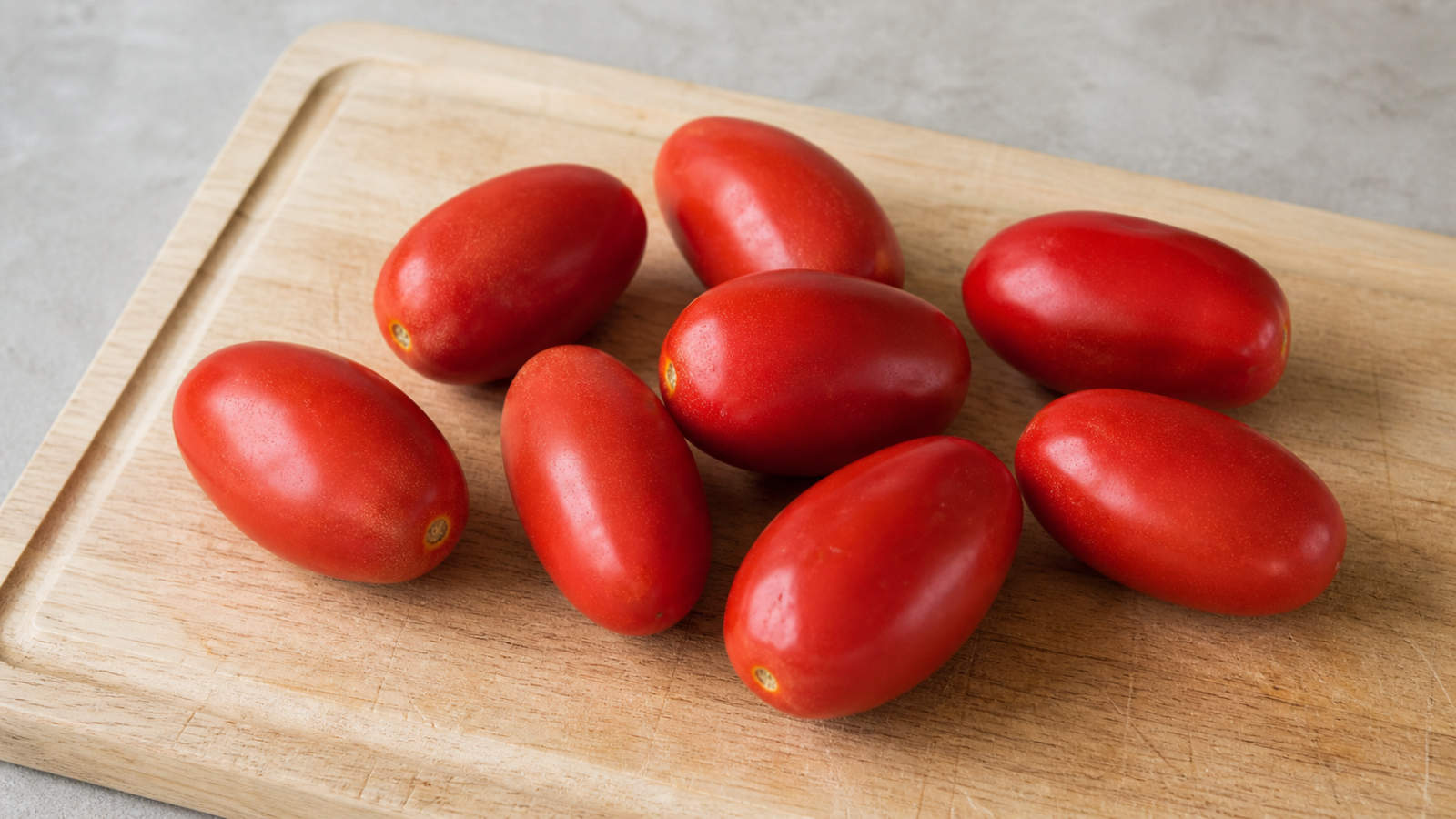
Roma tomatoes are the best all-around tomatoes for salsa. They are a type of plum tomato with firm flesh, fewer seeds, and less gel than many slicing tomatoes. That makes them easier to dice and less likely to water down pico de gallo or chunky salsa.
Use Roma tomatoes when you want clean tomato pieces that hold their shape. Their mild, balanced tomato flavor works well with onion, cilantro, lime juice, jalapeno, and salt.
For a similar plum-style tomato with deeper flavor, San Marzano tomatoes are another good option, especially for cooked or roasted salsa.
2. Plum Tomatoes
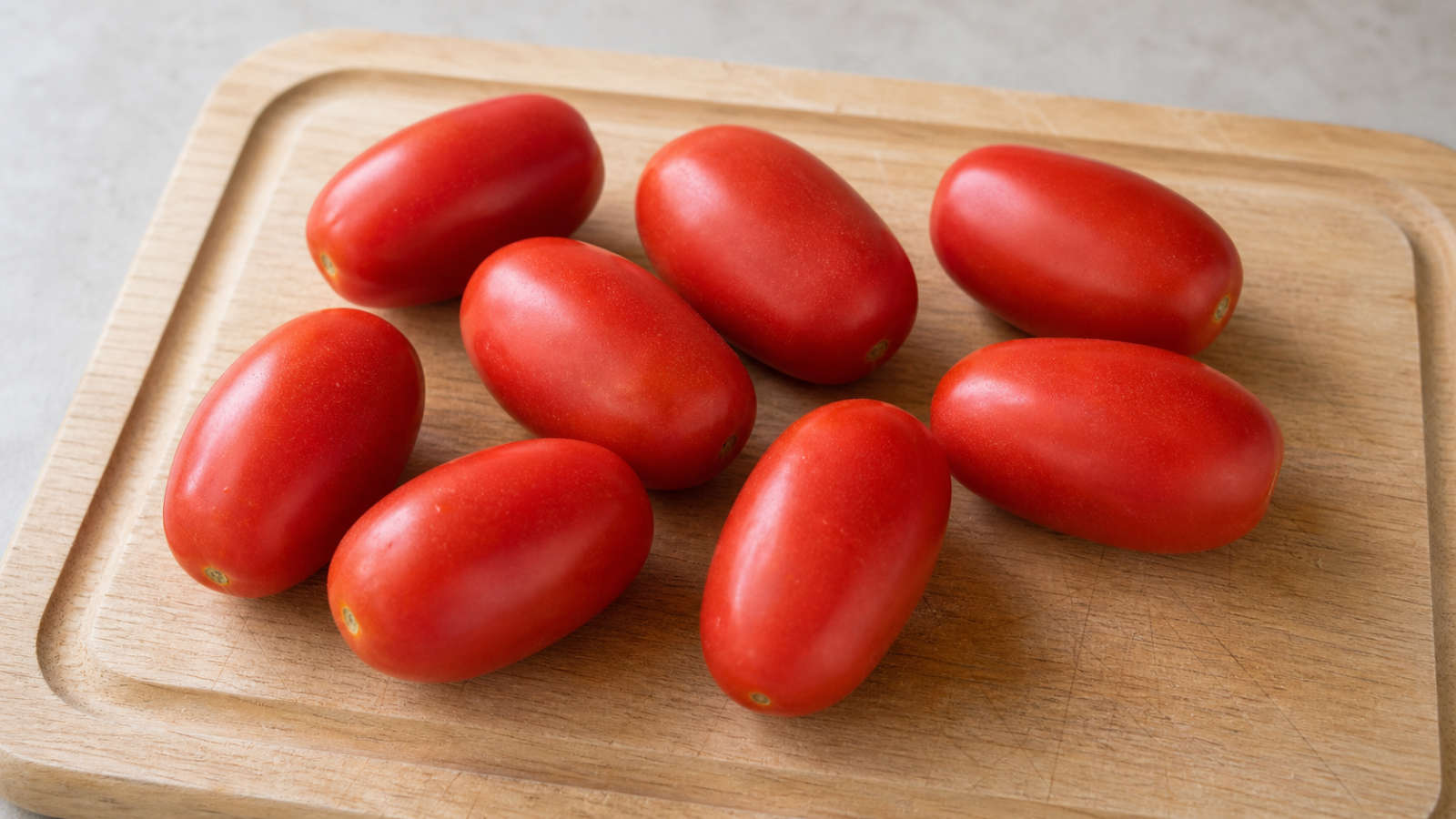
Plum tomatoes are another excellent salsa choice because they are firm, oval-shaped, and usually less watery than large slicing tomatoes. Roma tomatoes are one common plum tomato, but the category also includes other sauce-friendly tomatoes with dense flesh.
Use plum tomatoes for fresh salsa, cooked salsa, or roasted salsa. Their lower moisture helps keep the texture thicker, and their tomato flavor becomes richer when roasted or simmered briefly.
3. Cherry Tomatoes
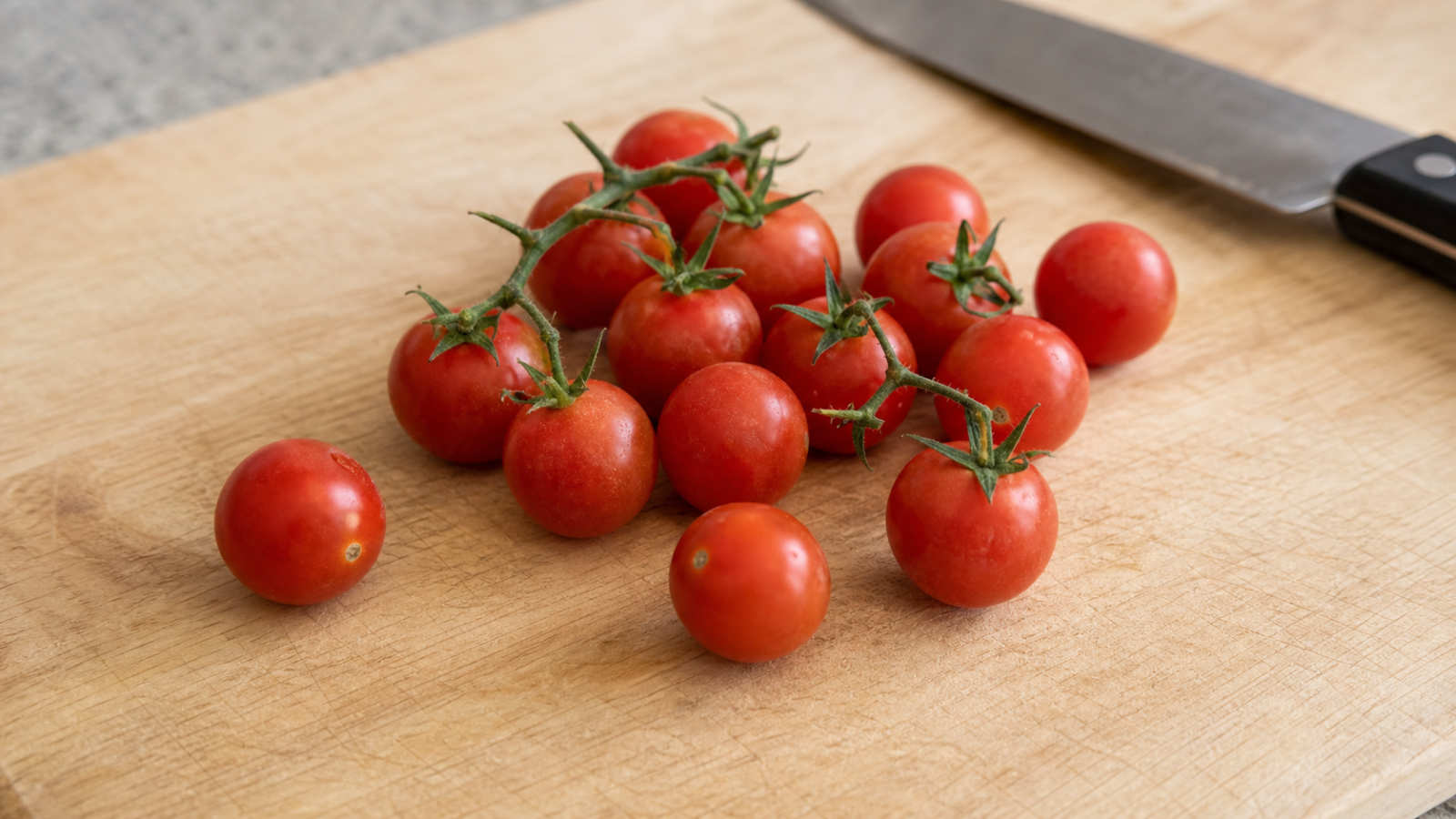
Cherry tomatoes are best when you want a sweeter salsa. They are small, juicy, and bright-tasting, so they work well in fresh summer salsa or roasted salsa where their natural sugars can concentrate.
Because cherry tomatoes are juicy, cut them in halves or quarters and drain off extra liquid before mixing. For roasted salsa, spread them on a sheet pan and roast until they soften and blister, then blend or chop them with peppers, onion, garlic, lime, and salt.
4. Beefsteak Tomatoes
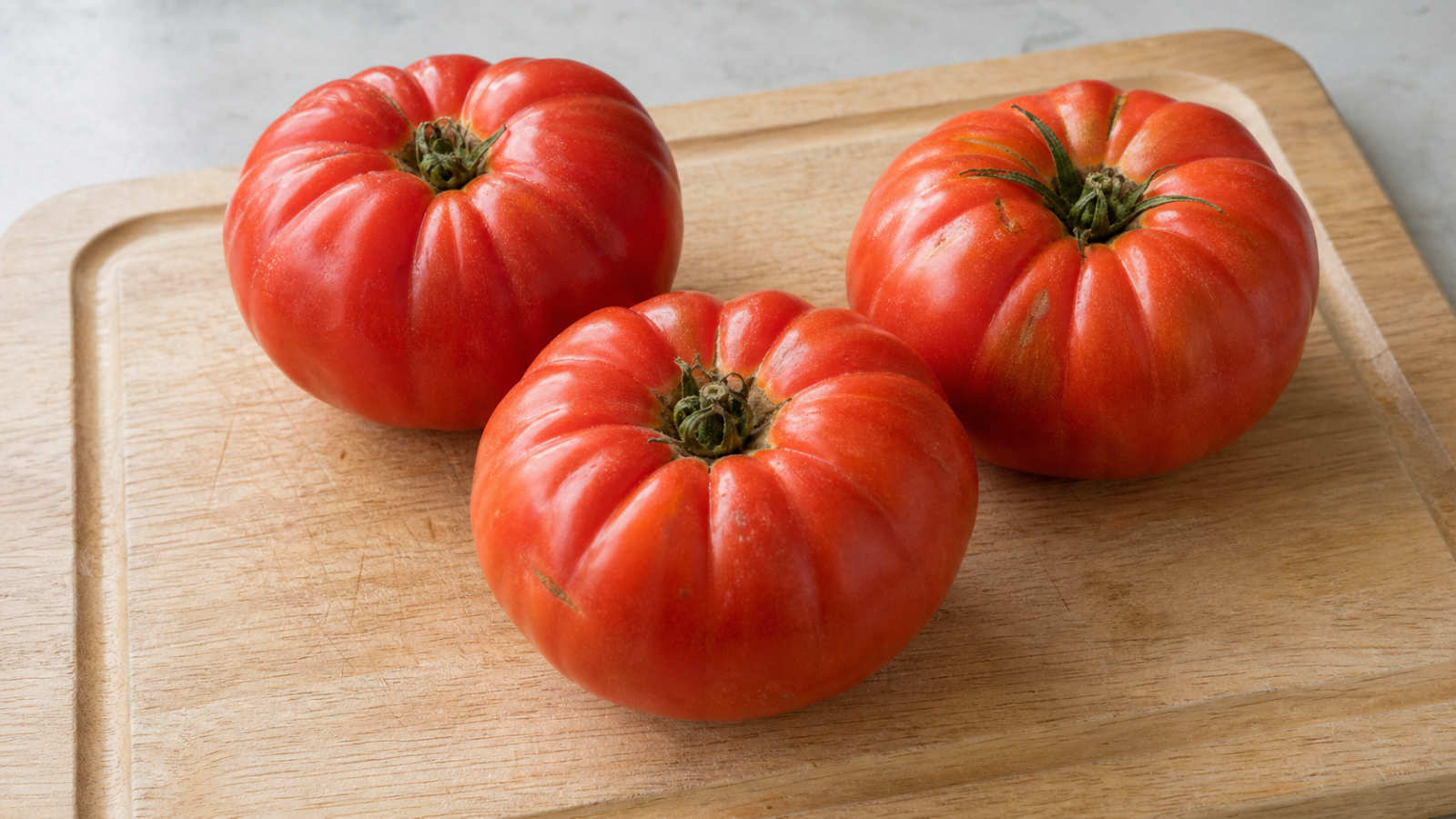
Beefsteak tomatoes can make flavorful salsa when they are fully ripe, especially in summer. They are large, juicy, and bold tasting, which makes them useful for fresh chopped salsa when tomato flavor is the main focus.
The tradeoff is moisture. Beefsteak tomatoes release more juice than Roma or plum tomatoes, so remove some of the seeds and gel before dicing. If the salsa still looks loose, drain the chopped tomatoes before adding salt and lime juice.
5. Heirloom Tomatoes

Heirloom tomatoes are best for salsa when flavor matters more than perfect texture. They can be sweet, tangy, earthy, or rich depending on the variety, and they add color to fresh salsa.
Use heirloom tomatoes when they are ripe but not mushy. Many heirlooms are juicy, so cut them open, remove excess seeds and gel, and let the chopped tomatoes drain before mixing. They are especially good in simple salsa where the tomato flavor can stand out.
How To Keep Salsa From Getting Watery
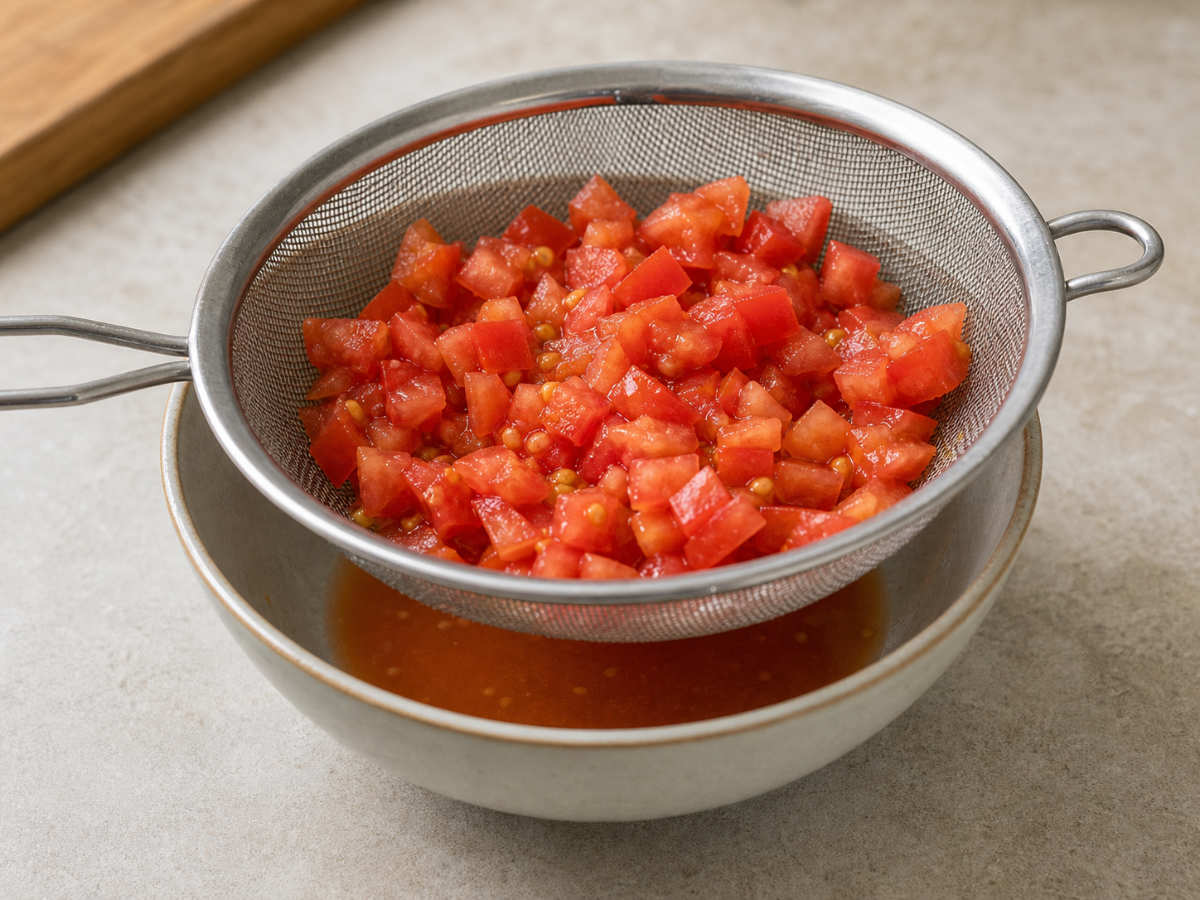
Watery salsa usually comes from juicy tomatoes, tomato seeds and gel, or adding salt too early. Salt draws moisture out of tomatoes, so fresh salsa often looks thicker before it sits.
- Use Roma or plum tomatoes when you want a thicker salsa.
- Remove excess seeds and gel from large juicy tomatoes.
- Drain chopped tomatoes for 5 to 10 minutes before mixing.
- Add salt close to serving time for the freshest texture.
- For cooked salsa, simmer briefly to evaporate extra moisture.
If the salsa is already too watery, drain off some liquid or stir in a small spoonful of tomato paste. Tomato paste works best for cooked or blended salsa because it can taste too concentrated in a delicate fresh salsa.
Fresh Salsa vs Roasted Salsa
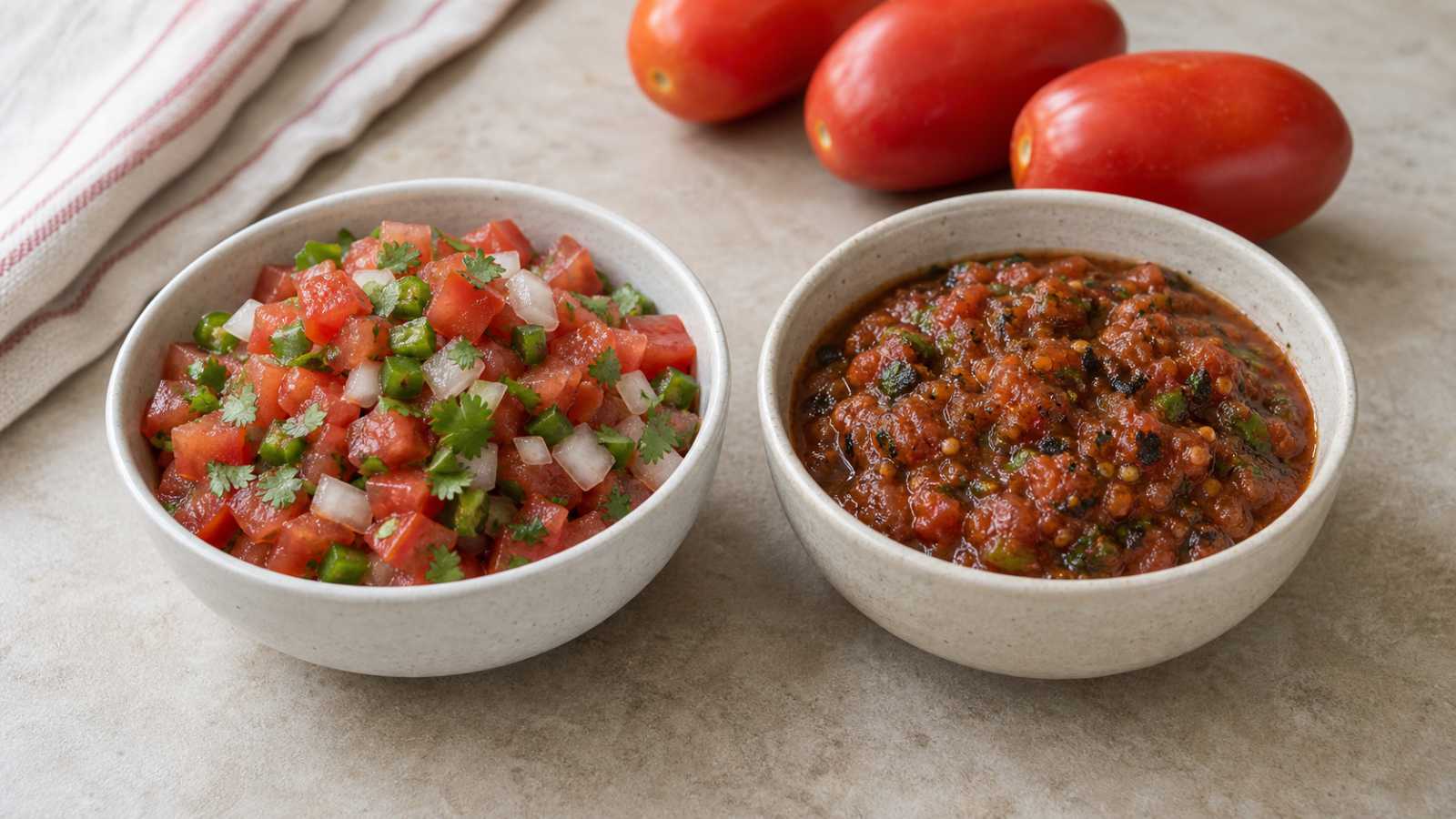
Fresh salsa needs tomatoes that dice cleanly and hold texture. Roma and plum tomatoes are the easiest choices, while beefsteak and heirloom tomatoes work best when they are drained before mixing.
Roasted salsa is more forgiving. Heat drives off moisture and deepens tomato flavor, so plum tomatoes, Roma tomatoes, cherry tomatoes, and ripe beefsteak tomatoes can all work. Roasted salsa also handles softer tomatoes better than pico de gallo because the tomatoes are meant to soften before blending or chopping.
Tips for Better Homemade Salsa
- Use ripe but firm tomatoes. The tomato should smell fresh and feel full, not hard, shriveled, or mushy.
- Dice evenly. Even tomato pieces make salsa easier to scoop and help each bite taste balanced.
- Balance tomato, onion, peppers, lime, and salt. Start with about two parts tomato to one part onion and peppers, then adjust to taste.
- Add heat carefully. Jalapeno peppers are a classic choice. For more pepper options, see this guide to types of peppers.
- Season at the end. Add lime juice and salt after the tomatoes are chopped and drained so the salsa stays bright and balanced.
For a spicier salsa, use finely diced jalapeno peppers, serrano peppers, or a small amount of habanero. Remove the seeds and ribs for less heat, or leave some in for a sharper bite.
FAQs
Yes, canned tomatoes can be used for salsa, especially blended or cooked salsa. Fresh tomatoes are better for pico de gallo because they have a cleaner texture and fresher flavor.
Roma tomatoes are the best choice for pico de gallo because they are firm, meaty, and less watery than many slicing tomatoes.
You do not have to remove every seed, but removing excess seeds and gel helps keep salsa from getting watery, especially when using beefsteak or heirloom tomatoes.
Drain off extra liquid, let chopped tomatoes sit in a strainer before mixing, or simmer cooked salsa briefly to reduce moisture. For cooked salsa, a small amount of tomato paste can also help thicken it.
Homemade salsa is best within 3 to 4 days when stored in an airtight container in the refrigerator. Discard it if it smells off, shows mold, or changes texture noticeably.



Leave a Reply