
Carrots come in several main types, including Imperator, Nantes, Chantenay, Danvers, Parisian-style round carrots, and colored carrots. Most grocery-store carrots are orange, but gardeners, farmers markets, and specialty seed catalogs include purple, red, yellow, white, round, short, long, and storage carrot varieties with different flavors and kitchen uses.
Most garden and grocery carrots are cultivated carrots, Daucus carota subsp. sativus. Variety names usually describe root shape, color, growing habit, or a named seed cultivar rather than a separate species.
Use this guide to compare carrot varieties by appearance, taste, growing style, and best use in the kitchen. Some carrots are best for snacking and salads, while others are better for roasting, soups, stews, juicing, storage, or growing in heavy soil.
For recipe measurements, see how many carrots are in a pound. For more produce guides, compare this with types of peppers, types of tomatoes, and spring fruits and vegetables.

⬇️ Table of Contents
- Different Types of Carrots
- Best Carrots by Use
- Chantenay Carrot
- Imperator Carrot
- Nantes Carrot
- Baby Carrots and Baby-Cut Carrots
- Atomic Red Carrots
- Autumn King Carrot
- Babette Carrots
- Baltimore Carrots
- Black Nebula Carrots
- Bolero Carrots
- Candysnax Carrots
- Caracas Carrots
- Cosmic Purple Carrots
- Danvers Carrots
- Giants of Colmar Carrots
- Hercules Carrots
- Merida Carrots
- Mokum Carrots
- Kuroda Carrots
- St. Valery Carrots
- Parano Carrots
- Mignon Carrots
- Napa Carrots
- Napoli Carrots
- Nectar Carrots
- Nelson Carrots
- Nutri-Red Carrots
- Red Samurai Carrots
- Rodelika Carrots
- Oxheart Carrots
- Purple Dragon Carrots
- Purple Haze Carrots
- Purple Sun Carrots
- Purplesnax Carrots
- Purple 68 Carrots
- Red-Cored Chantenay Carrots
- Romance Carrots
- Romeo Carrots
- Royal Chantenay Carrots
- Scarlet Nantes Carrots
- Sugarsnax 54 Carrots
- Tonda di Parigi Carrot
- Touchon Carrots
- White Satin Carrots
- Yaya Carrots
- Yellowstone Carrots
- How To Choose the Best Carrot Variety
- FAQs
Different Types of Carrots
Carrot varieties are often grouped by root shape, size, color, and growing habit. South Dakota State University Extension lists common carrot types such as small or round, baby, Chantenay, Danvers, Nantes, Imperator, and novelty types. These groups help explain why some carrots are long and slender, while others are short, broad, blunt-ended, or better suited for heavy soil.
| Carrot Type | Shape | Best Uses |
|---|---|---|
| Imperator | Long, slender, tapered | Fresh eating, grocery-store carrots, juicing, shredding |
| Nantes | Cylindrical, smooth, blunt-ended | Snacking, salads, roasting, fresh eating |
| Chantenay | Short, broad, tapered | Roasting, soups, stews, heavy soil |
| Danvers | Medium-long, tapered, strong shoulders | Storage, cooking, juicing, garden growing |
| Parisian / round | Small, round, compact | Containers, shallow soil, roasting, garnish |
| Colored carrots | Red, purple, yellow, white, or mixed | Salads, roasting, visual presentation, specialty dishes |
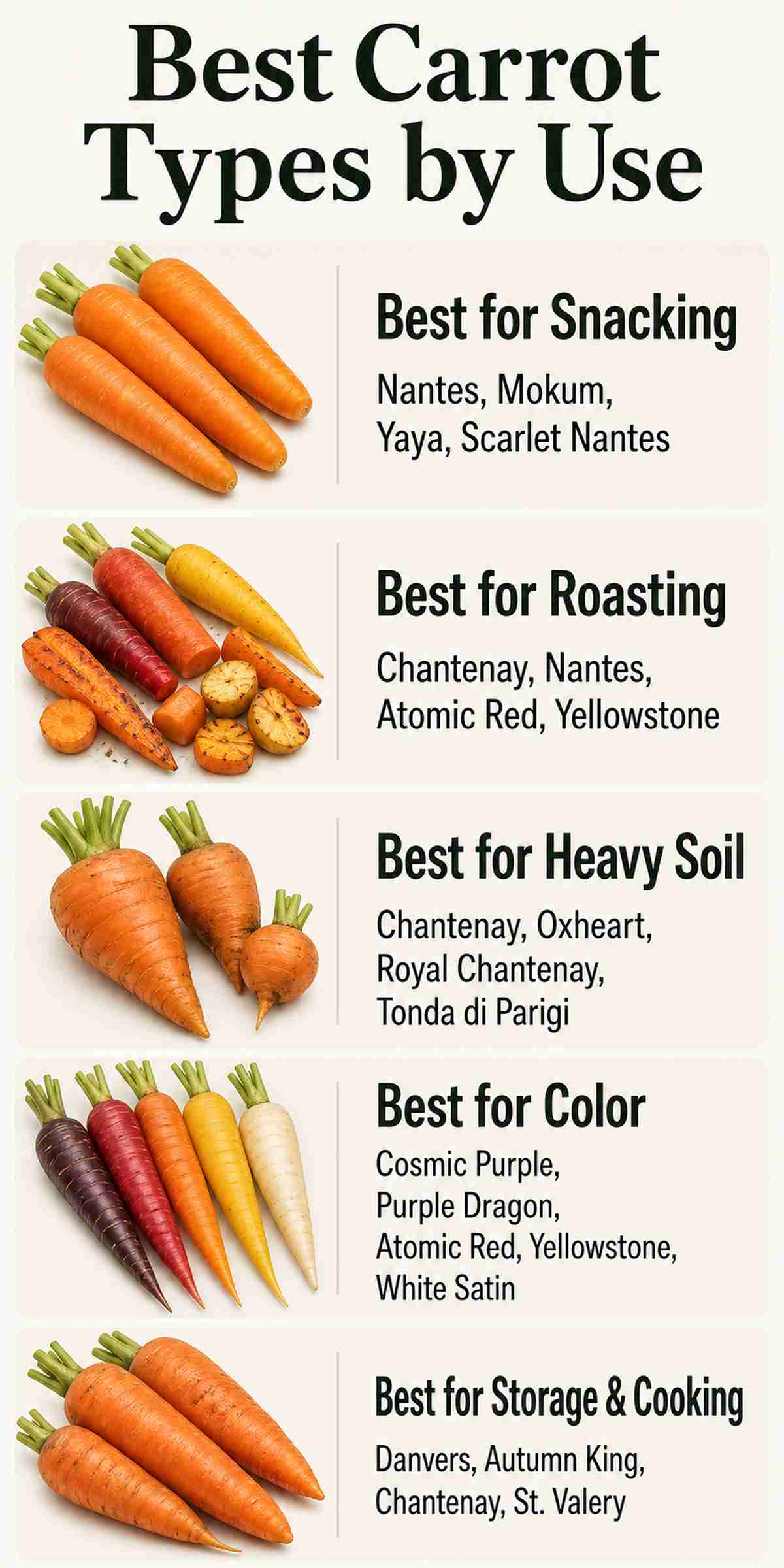
Purdue Extension notes that carrots are not only orange; they can also be purple, white, red, and yellow. Color affects presentation, but shape and texture usually matter more when choosing carrots for cooking.

Best Carrots by Use
| Use | Good Carrot Choices | Why They Work |
|---|---|---|
| Fresh snacking | Nantes, Mokum, Yaya, Scarlet Nantes, Candysnax | Sweet, crisp, and tender |
| Roasting | Chantenay, Nantes, Purple Haze, Yellowstone, Atomic Red | Good texture, color, and sweetness |
| Soups and stews | Danvers, Chantenay, Autumn King, Oxheart | Hold up well during longer cooking |
| Juicing | Imperator, Rodelika, Danvers, Kuroda | Good size and strong carrot flavor |
| Heavy or shallow soil | Chantenay, Oxheart, Royal Chantenay, Tonda di Parigi | Shorter roots are less likely to fork |
| Colorful plates | Cosmic Purple, Purple Dragon, Atomic Red, Yellowstone, White Satin | Add purple, red, yellow, and white color |
Chantenay Carrot

Chantenay carrots are short, stout carrots with broad shoulders and tapered orange roots. They taste earthy and mildly sweet, with a sturdy texture that works especially well in roasted carrots, soups, stews, braises, and stock.
Best use: Choose Chantenay carrots for heavier or shallower soil and for recipes where carrots simmer or roast for a longer time. Cut them into thick coins or wedges so they keep texture instead of turning mushy.
Imperator Carrot

Imperator carrots are long, slender carrots with tapered ends. This is the carrot style many shoppers recognize from grocery-store carrot bags because the roots are uniform, bright orange, and easy to peel.
Best use: Use Imperator carrots for fresh eating, juicing, shredding, salads, lunch prep, and everyday cooking. They grow best in loose, deep soil that lets the roots develop straight.
Nantes Carrot

Nantes carrots are smooth, cylindrical carrots with blunt ends and a crisp, sweet texture. They are one of the most useful all-purpose carrot types for home gardeners and cooks.
Best use: Nantes carrots are excellent raw, steamed, roasted, or sliced into salads. Their smooth shape makes them easy to peel, cut, and cook evenly.
Baby Carrots and Baby-Cut Carrots
Baby carrots can mean small carrots harvested young, but most grocery-store baby carrots are baby-cut carrots shaped from larger carrots. They are convenient, uniform, and ready for snacking.
Best use: Use baby-cut carrots for lunch boxes, vegetable trays, snacks, and simple roasted sides. For recipes that need exact chopping, dicing, shredding, or weighing, whole carrots usually give better control.
Atomic Red Carrots

Atomic Red carrots are red to reddish-orange carrots grown for bold color and sweet carrot flavor. Their color becomes especially noticeable when cooked, which makes them useful in roasted carrot dishes.
Best use: Roast Atomic Red carrots with yellow and purple carrots, or slice them into salads, grain bowls, and colorful vegetable sides.
Autumn King Carrot

Autumn King carrots are large, late-season orange carrots often grown for bigger harvests and storage. They can develop sturdy roots when grown in deep, prepared soil.
Best use: Use Autumn King carrots for soups, stews, roasting, juicing, shredding, stock, and batch cooking where size is an advantage.
Babette Carrots

Babette carrots are small, tender carrots often grown as baby or gourmet-style carrots. They have a clean carrot flavor and delicate texture.
Best use: Serve Babette carrots whole or lightly cooked in salads, glazed carrots, roasted sides, and composed plates where the small shape adds presentation value.
Baltimore Carrots

Baltimore carrots are Nantes-type carrots with smooth, blunt-ended roots and a crisp texture. They are a practical choice for both fresh eating and cooking.
Best use: Use Baltimore carrots for salads, snacks, steaming, roasting, and soups when you want even slices and a dependable Nantes-style carrot.
Black Nebula Carrots

Black Nebula carrots are very dark purple carrots, often appearing almost black. Their deep color makes them one of the most dramatic carrot varieties for visual presentation.
Best use: Slice Black Nebula carrots into salads, pickles, juices, and mixed-color carrot dishes where the dark color can stand out.
Bolero Carrots
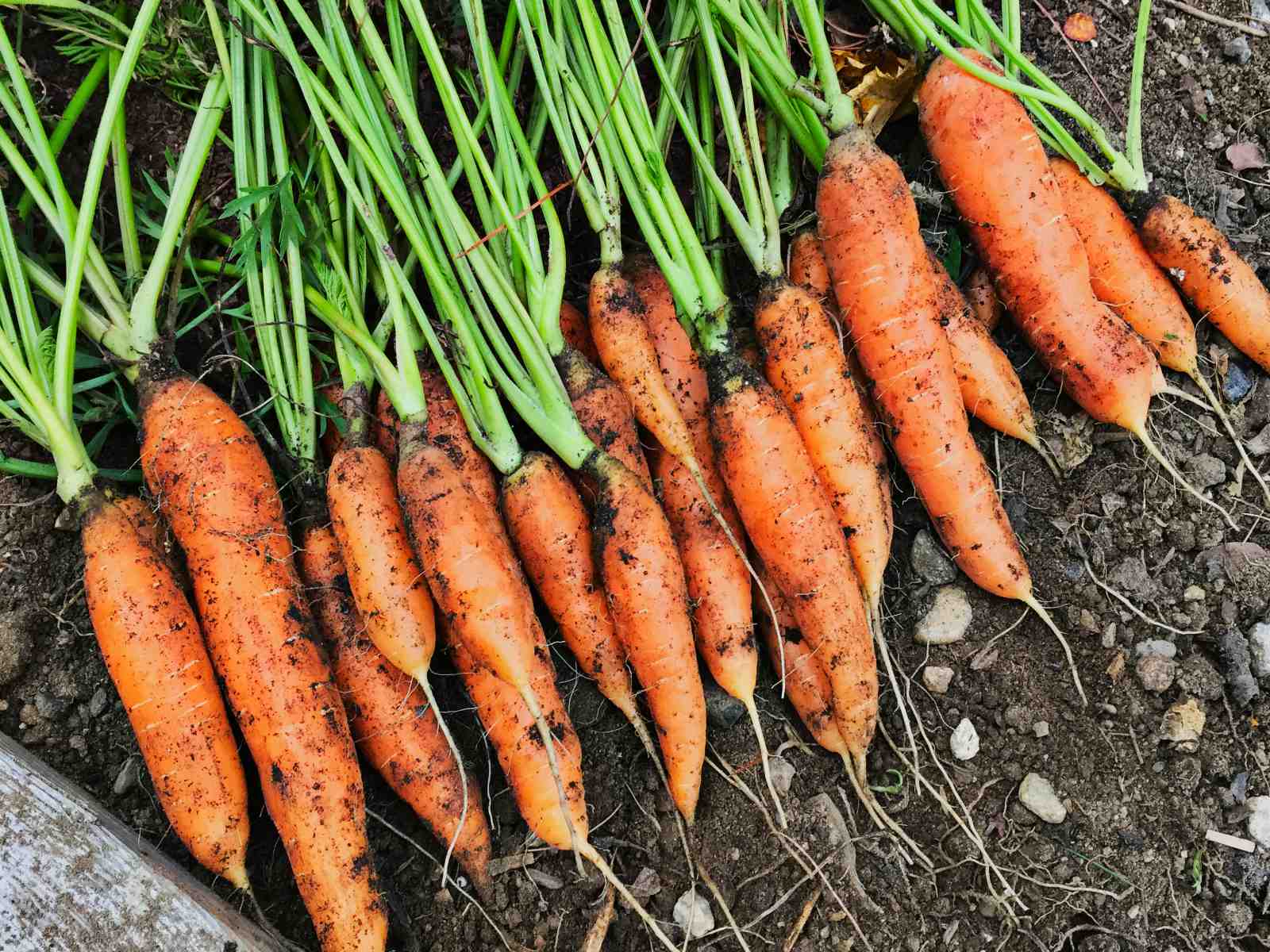
Bolero carrots are Nantes-type carrots known for sweet flavor, smooth shape, and dependable garden performance. They are sweet enough for raw snacking and sturdy enough for cooking.
Best use: Use Bolero as an all-purpose carrot for snacks, salads, roasting, soups, steaming, and lunch prep.
Candysnax Carrots

Candysnax carrots are long, slender carrots known for sweetness and crisp texture. Their name points to their snack-friendly flavor.
Best use: Use Candysnax carrots raw in salads, vegetable trays, slaws, and lunch boxes, or roast them as long sticks or diagonal slices.
Caracas Carrots
Caracas carrots are small, sweet carrots often described as miniature or baby-style carrots. They are tender and useful when you want a carrot that needs little trimming.
Best use: Use Caracas carrots for salads, snacks, glazed carrots, whole roasted carrots, and small side dishes.
Cosmic Purple Carrots

Cosmic Purple carrots have a purple exterior and orange interior. The flavor is earthy and sweet with a classic carrot bite.
Best use: Slice Cosmic Purple carrots raw on a bias or into thin rounds to show the purple skin and orange center in salads, slaws, and vegetable boards.
Danvers Carrots
Danvers carrots are medium-long carrots with strong shoulders and tapered roots. They are sturdy, flavorful, and less demanding than very long carrot types.
Best use: Use Danvers carrots for soups, stews, storage, juicing, roasting, stock, and meal prep. They are a practical garden carrot when soil is not perfectly deep and loose.
Giants of Colmar Carrots

Giants of Colmar carrots are large orange carrots grown for size, yield, and storage. They can become substantial when given enough room and deep soil.
Best use: Use these carrots for soups, stews, roasting, juicing, shredding, and large recipes where one carrot can provide a lot of volume.
Hercules Carrots

Hercules carrots are large, bright orange carrots known for strong root growth and kitchen versatility. They can be used fresh when young, but larger roots are especially useful cooked.
Best use: Use Hercules carrots for roasting, steaming, soups, stews, shredding, and meal prep where consistent chunks or slices matter.
Merida Carrots

Merida carrots are Nantes-type carrots with smooth orange roots, blunt tips, and sweet flavor. They fit the same kitchen role as other Nantes-style carrots.
Best use: Use Merida carrots for salads, roasting, vegetable platters, soups, and simple steamed sides.
Mokum Carrots

Mokum carrots are early Nantes-type carrots known for tenderness, sweetness, and crisp texture. They are popular for fresh eating because the roots are delicate and flavorful.
Best use: Use Mokum carrots raw, lightly steamed, or in fresh salads. Avoid overcooking them, since their tender texture is the main appeal.
Kuroda Carrots

Kuroda carrots are thick, bright orange carrots known for tender texture and sweet flavor. They are often associated with Asian seed catalogs and warm-season growing.
Best use: Slice Kuroda carrots on a bias for stir-fries, soups, roasted dishes, salads, and juices.
St. Valery Carrots

St. Valery carrots are long, tapered orange carrots often sold as an heirloom-style variety. They are valued for classic carrot flavor and storage usefulness.
Best use: Use St. Valery carrots for roasting, soups, stews, juicing, storage, and fresh eating. They perform best in loose, deep soil.
Parano Carrots

Parano carrots are orange carrots sold as a named seed-catalog variety. Treat the name as a cultivar label unless the seed source gives more detail.
Best use: Use Parano carrots anywhere a classic orange carrot is needed, including salads, soups, roasting, juices, and everyday recipes.
Mignon Carrots

Mignon carrots are small gourmet-style carrots with tender roots and sweet flavor. Their compact size makes them useful for containers, small gardens, and polished plate presentation.
Best use: Serve Mignon carrots whole or lightly trimmed for snacks, garnishes, salads, and roasted carrot sides.
Napa Carrots
Napa carrots are sweet orange carrots sold as a named cultivar or market variety. Because public cultivar details can be limited, choose them by freshness, firmness, and flavor rather than origin claims.
Best use: Use fresh Napa carrots in salads, roasted vegetable trays, juices, soups, and raw preparations where sweetness matters.
Napoli Carrots

Napoli carrots are Nantes-type carrots with smooth, blunt-ended roots and sweet flavor. They are often grown as an early or overwintered carrot, depending on climate and planting schedule.
Best use: Use Napoli carrots fresh, roasted, steamed, sliced into salads, juiced, or added to soups.
Nectar Carrots

Nectar carrots are best treated as a seed-catalog or market name unless a specific seed source identifies the selection. The appeal is usually sweet flavor and colorful presentation.
Best use: Use Nectar carrots in garden mixes, salads, roasted carrot platters, and colorful side dishes where appearance is part of the value.
Nelson Carrots
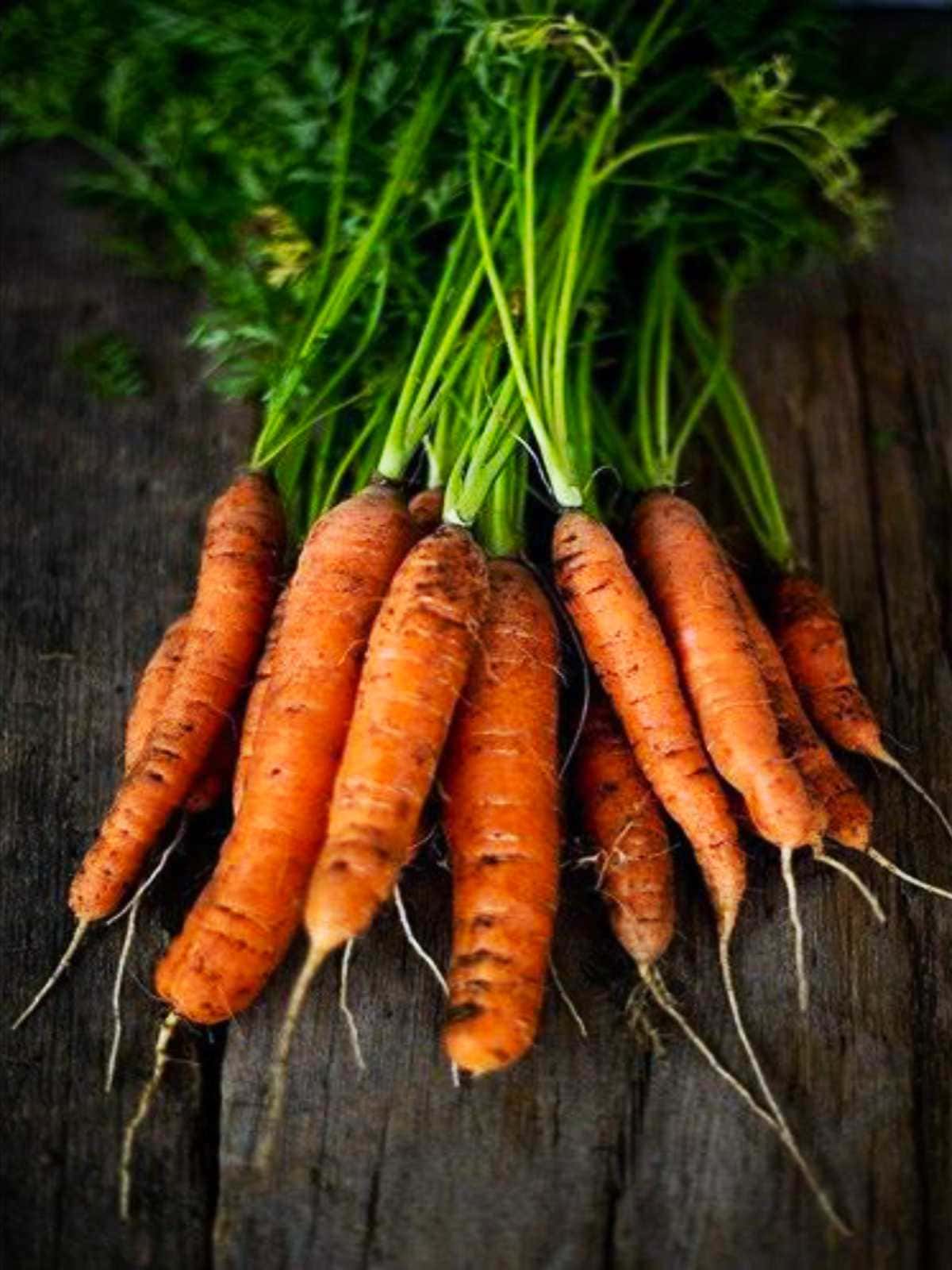
Nelson carrots are Nantes-style carrots with smooth, uniform orange roots and crisp texture. They are useful when appearance and consistency matter.
Best use: Use Nelson carrots for salads, vegetable trays, fresh snacking, juicing, steaming, and roasting.
Nutri-Red Carrots

Nutri-Red carrots are red carrots grown for their deeper color and sweet carrot flavor. Their red-orange appearance makes them useful in mixed carrot bunches and colorful vegetable dishes.
Best use: Pair Nutri-Red carrots with yellow and orange carrots for salads, roasting, vegetable boards, and colorful cooked sides.
Red Samurai Carrots
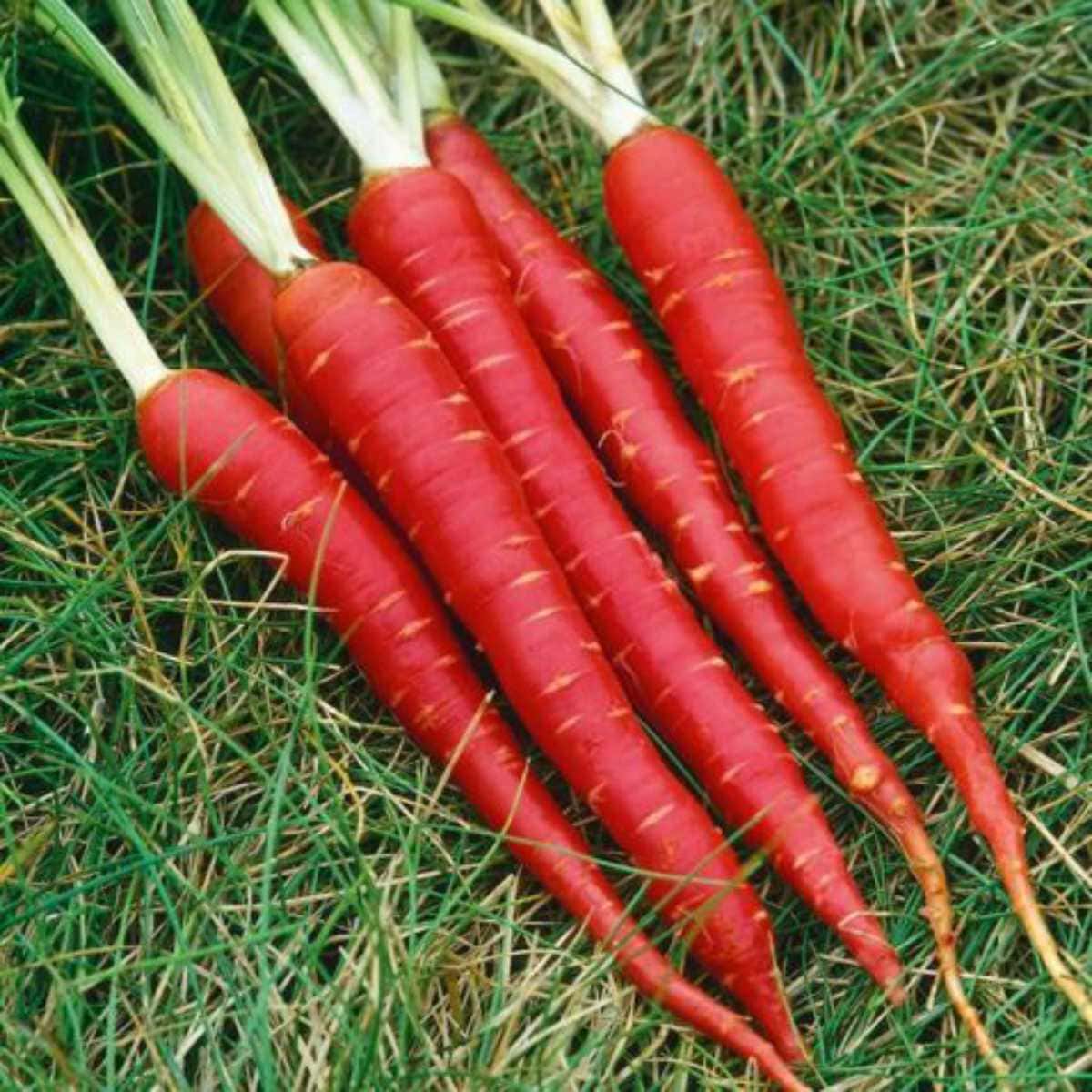
Red Samurai carrots are long red carrots with sweet flavor and strong visual appeal. Their color makes them especially useful in raw and lightly cooked preparations.
Best use: Use Red Samurai carrots in salads, slaws, whole-carrot sides, vegetable platters, and roasted dishes. Keep slices a little thicker when roasting so they do not dry out.
Rodelika Carrots

Rodelika carrots are dense orange carrots often grown for juicing and cooking. They are known for strong carrot flavor and good kitchen versatility.
Best use: Use Rodelika carrots in juices, soups, purees, roasted vegetables, stews, and shredded carrot recipes where carrot flavor should come through clearly.
Oxheart Carrots

Oxheart carrots, also known as Guerande carrots, are broad, heart-shaped carrots with large shoulders and shorter roots. They are useful in heavy or shallow soil where long carrots may fork.
Best use: Use Oxheart carrots for roasting, soups, stews, shredding, and cooked carrot sides. Their broad size makes them easy to cut into chunks or grate.
Purple Dragon Carrots

Purple Dragon carrots have a reddish-purple exterior and bright orange interior. The flavor is usually sweet with a slightly earthy edge.
Best use: Slice Purple Dragon carrots thinly for salads, slaws, vegetable boards, roasting, and juices where the purple outside and orange center can both be seen.
Purple Haze Carrots

Purple Haze carrots have dark purple skin and orange interiors. They are one of the better-known purple carrot varieties for gardeners and specialty produce displays.
Best use: Use Purple Haze carrots raw when you want the strongest color contrast, or roast them in mixed-color carrot medleys.
Purple Sun Carrots

Purple Sun carrots are deep purple carrots grown for rich color and visual impact. They can show stronger purple coloring through more of the root than some purple-over-orange carrot varieties.
Best use: Use Purple Sun carrots raw, roasted, juiced, or paired with yellow and white carrots for color contrast.
Purplesnax Carrots

Purplesnax carrots are long purple carrots bred for sweetness, crunch, and fresh eating. Their color makes them appealing in raw preparations.
Best use: Use Purplesnax carrots for snacking, salads, stir-fries, roasting, and mixed-color carrot plates where crunch matters.
Purple 68 Carrots
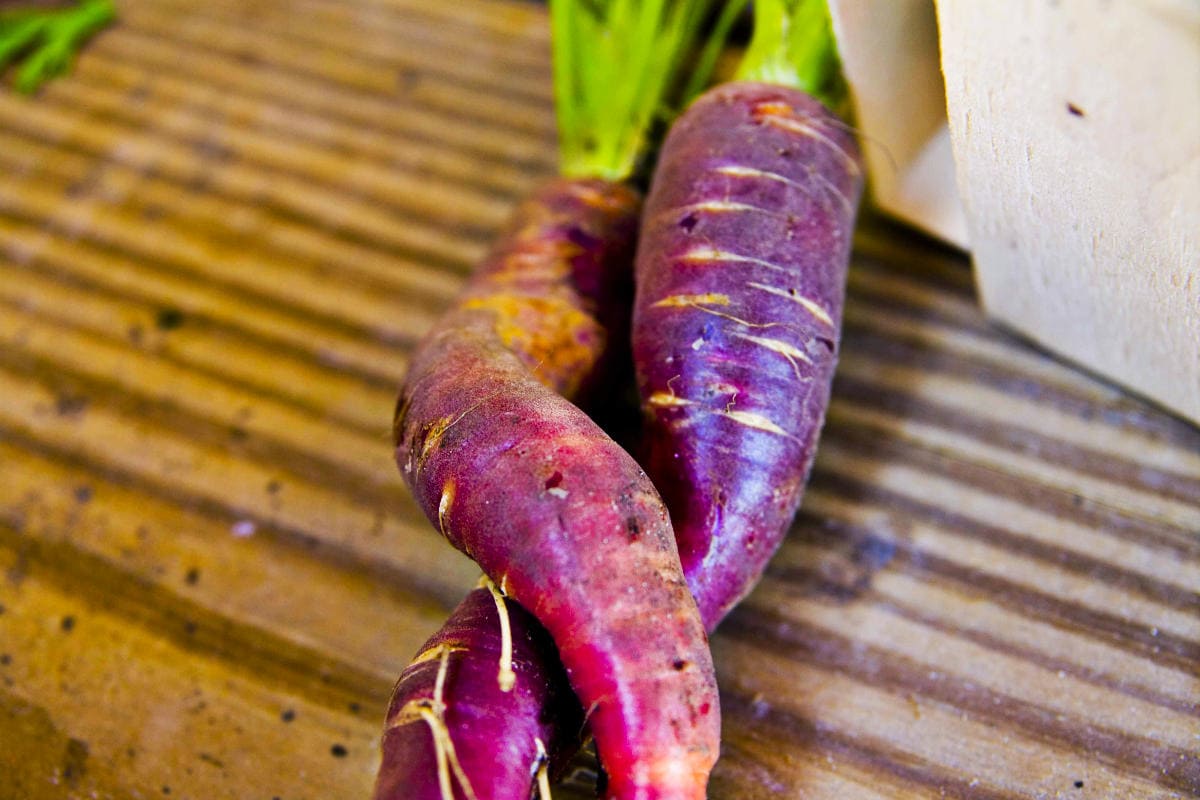
Purple 68 carrots are purple carrots with cylindrical roots and strong garden color. Treat the name as a named seed cultivar unless the source gives more detail.
Best use: Use Purple 68 carrots fresh or cooked in mixed vegetable dishes where purple color adds contrast.
Red-Cored Chantenay Carrots

Red-Cored Chantenay carrots are Chantenay-style carrots with a blunt shape, orange flesh, and a deeper-colored core. They are sturdy carrots that work well in cooking.
Best use: Use Red-Cored Chantenay carrots for roasting, soups, stews, freezing, canning, and everyday side dishes. Cut them thick for long-cooked recipes.
Romance Carrots

Romance carrots are Nantes-type carrots with straight, blunt-ended roots and sweet flavor. Their uniform shape makes them easy to slice and serve.
Best use: Use Romance carrots for raw snacking, roasting, steaming, salads, vegetable trays, and simple side dishes.
Romeo Carrots

Romeo carrots are small, round carrots that perform well in shallow soil and containers. Their shape makes them different from long carrot types that need deeper soil.
Best use: Cook Romeo carrots whole or halved for roasting, glazing, garnishing, salads, and small-space gardening.
Royal Chantenay Carrots
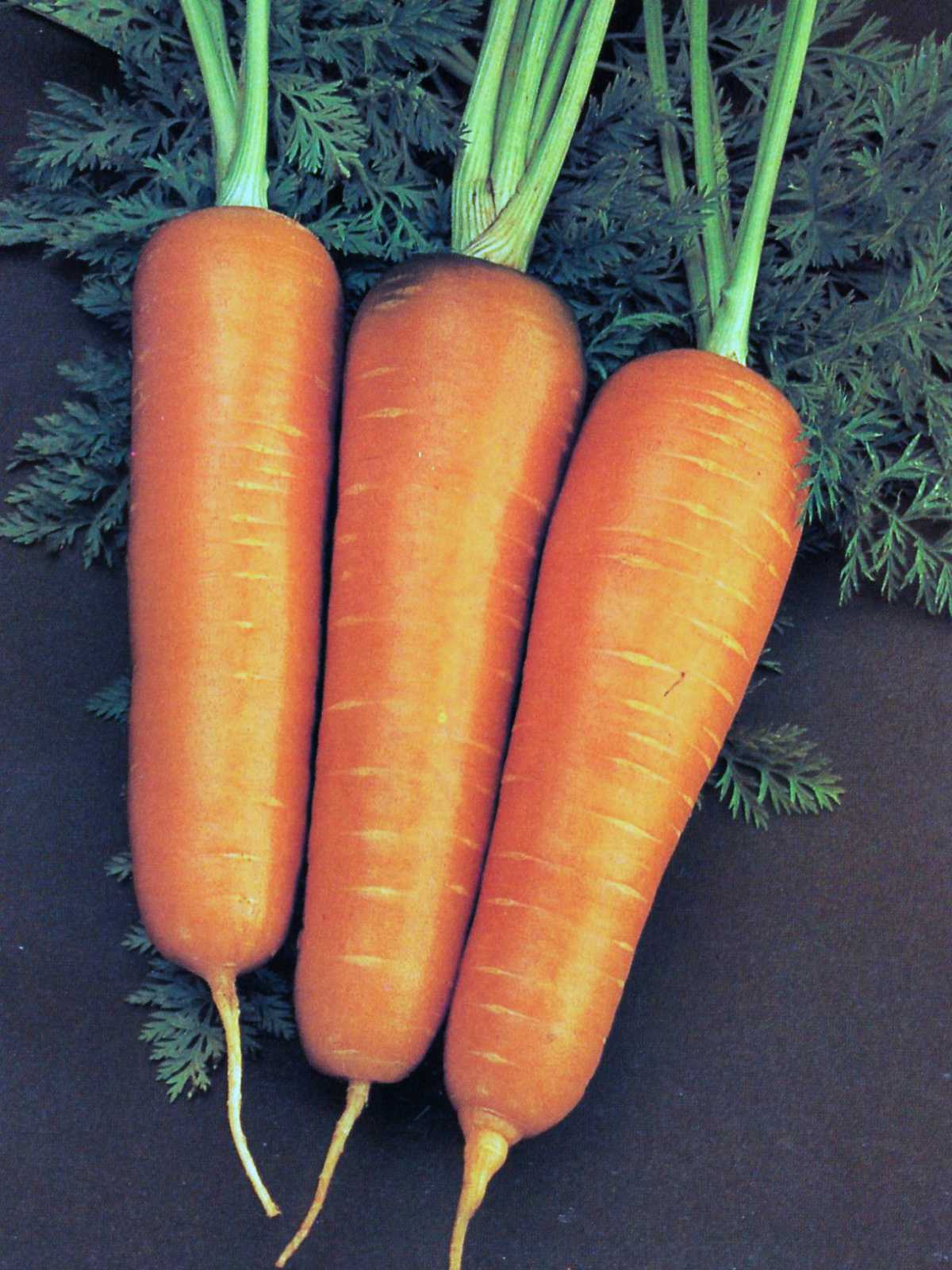
Royal Chantenay carrots are short, blocky carrots that perform well in heavy or shallow soil. Their thick shape makes them practical for cooking.
Best use: Use Royal Chantenay carrots for roasting, soups, stews, freezing, juicing, and compact-soil gardens.
Scarlet Nantes Carrots

Scarlet Nantes carrots are classic Nantes-style carrots with smooth, blunt-ended roots and sweet, crisp texture. They are one of the most familiar carrot varieties for home gardens.
Best use: Use Scarlet Nantes carrots for raw snacking, salads, steaming, roasting, juicing, and fresh trays.
Sugarsnax 54 Carrots

Sugarsnax 54 carrots are long, sweet carrots with smooth orange roots. They are often grown for fresh eating because of their crisp texture and sweet flavor.
Best use: Use Sugarsnax 54 carrots in raw dishes, salads, vegetable trays, slaws, and roasted carrot sticks where sweetness and crunch matter.
Tonda di Parigi Carrot

Tonda di Parigi carrots, also called Parisian carrots, are small round carrots that grow well in containers, shallow beds, and compact garden spaces.
Best use: Serve Tonda di Parigi carrots whole or halved for roasting, glazing, garnishing, salads, and small-space gardening.
Touchon Carrots

Touchon carrots are Nantes-type carrots with smooth, cylindrical roots and tender texture. They are useful for fresh eating and quick cooking.
Best use: Use Touchon carrots for raw snacking, roasting, steaming, juicing, salads, and vegetable boards. Cook them just enough to stay tender, not mushy.
White Satin Carrots

White Satin carrots are white carrots with mild flavor and crisp texture. They are useful when you want carrot texture without bright orange color.
Best use: Use White Satin carrots in salads, slaws, pale soups, roasted vegetable mixes, and color-contrast carrot plates.
Yaya Carrots

Yaya carrots are Nantes-style carrots with smooth roots, sweet flavor, and reliable shape. They are often used as attractive bunching carrots.
Best use: Use Yaya carrots for fresh eating, salads, vegetable trays, roasting, steaming, and garden harvests.
Yellowstone Carrots

Yellowstone carrots are yellow carrots with long roots and mild, sweet flavor. Their golden color stands out in mixed carrot bunches and roasted vegetable dishes.
Best use: Roast Yellowstone carrots with purple carrots for strong color contrast, or use them in soups, salads, slaws, and colorful carrot side dishes.
How To Choose the Best Carrot Variety
Choose carrot varieties based on how you plan to cook them and the soil or growing space available. Long carrot types need deep, loose soil, while short or round carrots are better for heavier soil, shallow beds, and containers.
- For raw eating: choose Nantes, Mokum, Yaya, Scarlet Nantes, or Candysnax carrots.
- For roasting: choose Chantenay, Nantes, Atomic Red, Yellowstone, Purple Haze, or mixed-color carrots.
- For soups and stews: choose Danvers, Chantenay, Autumn King, Oxheart, or larger orange carrots.
- For small gardens: choose Tonda di Parigi, Romeo, Mignon, or Chantenay-style carrots.
- For visual impact: choose Cosmic Purple, Purple Dragon, Black Nebula, Atomic Red, Yellowstone, or White Satin carrots.
For recipes that depend on weight, use this guide to how many carrots are in a pound.
FAQs
The main carrot types are Imperator, Nantes, Chantenay, Danvers, and Parisian-style carrots. Colored carrots are usually grouped by color, such as purple, red, yellow, white, and orange.
Most garden and grocery carrots are cultivated carrots, Daucus carota subsp. sativus. Different carrot names usually refer to varieties, cultivars, colors, or root shapes, not different species.
Nantes-style carrots, Scarlet Nantes, Bolero, Mokum, Yaya, and Sugarsnax-type carrots are often known for sweet flavor and crisp texture. Sweetness also depends on freshness, growing conditions, and harvest timing.
Nantes, Chantenay, Danvers, and round Parisian-style carrots are good choices for many home gardens. Chantenay and Oxheart carrots can be especially helpful in heavier or shallower soil where long carrots may fork.
Purple carrots have darker natural pigments and may have purple skin, purple flesh, or orange centers depending on the variety. They can taste earthy, sweet, or slightly peppery.
Carrots can be orange, purple, red, yellow, white, or mixed-color. Orange carrots are the most common in grocery stores, while colored carrots are often found at farmers markets, specialty stores, and in garden seed catalogs.
Chantenay, Danvers, Nantes, Oxheart, and large storage carrots are good choices for cooking. Use them for roasting, soups, stews, stock, purees, and braised dishes.
One pound of carrots is usually about 5 to 6 medium carrots, 3 to 4 large carrots, or 8 to 10 small carrots. For exact recipe measurements, weigh the carrots when possible.


Leave a Reply